Hampton, Virginia sits along the Chesapeake Bay in the humid subtropical climate of the Hampton Roads region, where northern and southern plant ranges converge. This unique geographic position, combined with coastal humidity and an extended growing season, creates one of the worst allergy environments in the United States. This article provides comprehensive information on pollen types, seasonal patterns, and effective management strategies to help Hampton residents navigate the region's challenging 9-month allergy season from February through November.
Understanding Pollen Count in Hampton
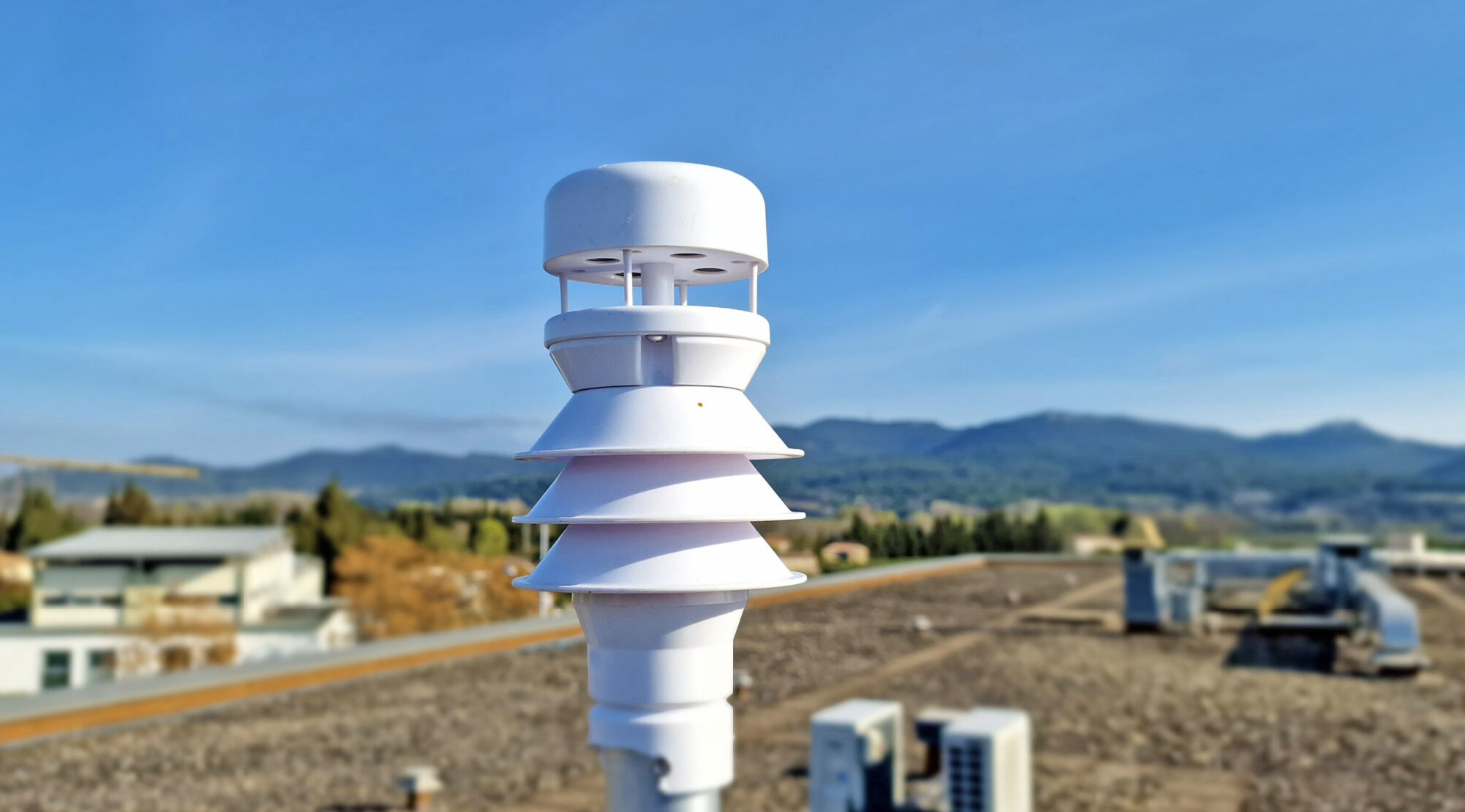
Pollen count measures the concentration of pollen grains per cubic meter of air over a 24-hour period. When counts exceed moderate levels, allergy sufferers typically experience symptoms including sneezing, itchy or watery eyes, nasal congestion, scratchy throat, and worsened asthma. Hampton's pollen monitoring utilizes automated sensors from Pollen Sense, LLC that identify individual species and calculate daily counts for accurate local forecasts.
Key Pollen Types and Allergen Trends in Hampton
Hampton's position as a transition zone between northern and southern ecosystems results in exceptional plant diversity and doubled allergenic exposure. The Hampton Roads region recently ranked as the second worst city in the United States for allergies, with Virginia Beach neighboring Hampton placing just behind Wichita, Kansas. Four primary allergen categories dominate throughout the extended season, with overlapping periods creating multi-allergen exposure during transition months.
- Tree Pollen (Oak, Pine, Hickory, Cedar): Peaks April through May at the highest levels of the year, with oak serving as the primary allergen across the region
- Grass Pollen (Bermuda, Kentucky Bluegrass, Johnson Grass): Dominates late May through early July with peak concentrations in June as tree pollen subsides
- Ragweed Pollen: Primary fall allergen producing highest concentrations in September and October from late August through November
- Marsh Elder (Rough Marsh Elder): Particularly problematic coastal weed allergen thriving in Hampton's humid waterfront environment alongside ragweed in fall
Hampton Roads experiences one of the longest flowering periods in the United States, extending pollen production significantly beyond inland regions. Coastal humidity and warmth accelerate plant growth and increase pollen production, though relative humidity above 80 percent temporarily prevents pollen release as grains clump together. Sea level rise and frequent Atlantic storms contribute additional moisture, promoting vegetation growth in previously dry zones and expanding allergenic plant habitats throughout the coastal area.
Seasonal Pollen Patterns in Hampton, Virginia
Hampton's allergy season spans nine months with distinct peak periods for different allergen types:
- Late Winter to Spring (February to June): Early tree pollen from maple, alder, and elm begins in late February, building to peak tree pollen season in April and May with oak, pine, birch, hickory, cedar, and walnut at maximum levels
- Early Summer (Late May to Early July): Grass pollen season peaks as tree pollen declines, with Bermuda grass, Kentucky bluegrass, Johnson grass, and rye grass dominating through June and early July
- Late Summer to Fall (Late August to November): Weed pollen season features ragweed and marsh elder at highest concentrations in September and October, continuing until first frost in November
- Winter (December to Early February): Pollen production ceases after first frost, providing the only relief period for allergy sufferers with cold temperatures suppressing plant flowering
Access Daily Pollen Data for Hampton
The Pollen Count & Alerts App delivers real-time pollen monitoring specifically for Hampton, tracking tree, grass, weed, and mold spore concentrations throughout the extended allergy season. Receive personalized alerts when pollen levels spike, allowing you to plan outdoor activities during safer low-pollen periods. Daily forecasts help you stay informed and take preventive measures before symptoms develop.
Effective Allergy Management Strategies for Hampton Residents
Implementing these evidence-based strategies can significantly reduce allergy symptoms during Hampton's prolonged pollen season:
- Use the Pollen Count & Alerts App: Monitor real-time pollen levels and receive alerts to plan outdoor activities during low-pollen times and prepare for high-exposure days
- Improve Indoor Air Quality: Keep windows closed during peak pollen periods, especially April through June, and use air conditioning with clean filters to prevent outdoor allergens from entering
- Practice Daily Hygiene Protocols: Shower before bed and change clothes after outdoor exposure, wipe pets when they enter, and remove shoes at the door to minimize pollen transfer indoors
- Install HEPA Air Purifiers: Run high-efficiency particulate air purifiers in bedrooms and main living areas to capture airborne pollen particles and reduce indoor allergen concentrations
- Consult an Allergist: Work with local Hampton Roads allergy specialists for personalized treatment plans including immunotherapy, prescription medications, and testing to identify specific trigger allergens
Enhance Your Allergy Management with the Pollen Count & Alerts App
The Pollen Count & Alerts App offers comprehensive features designed specifically for allergy sufferers navigating Hampton's challenging pollen environment:
- Real-Time Pollen Counts: Access the latest pollen data specific to Hampton with species-level detail for tree, grass, and weed allergens updated throughout the day
- Customized Allergy Alerts: Receive personalized notifications when your specific allergen triggers reach threshold levels based on your individual sensitivity profile
- Accurate Multi-Day Forecasts: Plan ahead with extended pollen forecasts showing predicted concentrations for the coming days across all allergen categories
- Educational Allergy Content: Learn about local pollen types, peak seasons, symptom management techniques, and environmental factors affecting Hampton's unique allergy landscape
- Intuitive User-Friendly Design: Navigate easily through clean interfaces displaying pollen data, forecasts, and alerts with visual indicators for quick daily assessment


Learn More About Managing Your Pollen Allergies
- Understanding Allergy Pollen Counts: Your Comprehensive Guide – Discover how to interpret pollen count levels and develop effective strategies to minimize your exposure and symptoms throughout the year.
- Why Are My Allergies So Bad Right Now? | Pollen Count & Alerts App Blog – Explore the reasons why your allergy symptoms may suddenly intensify, including environmental changes and shifting pollen patterns.
- Do Allergies Get Worse as You Age? | Pollen Count & Alerts App Blog – Understand how your body's response to allergens evolves over the years and what you can expect as you age.
Stay informed with helpful resources and seasonal updates by visiting the Alert Pollen Blog.
Pollen count in nearby cities
FAQ
When is pollen season in Hampton, VA?
Pollen season in Hampton typically runs from late February through November, lasting approximately 9 months. The peak periods include April and May for tree pollen (especially oak and pine), late May through early July for grass pollen (Bermuda and Kentucky bluegrass), and late August through October for weed pollen, particularly ragweed and marsh elder. The extended season is due to Hampton's coastal location and mild climate, which provides one of the longest flowering periods in the United States.
What are the most common pollen allergens in Hampton, VA?
The most common allergens in Hampton include oak pollen (the primary tree allergen peaking in April-May), pine, hickory, and river birch for trees; Bermuda grass and Kentucky bluegrass for grasses (peaking late May-July); and ragweed plus marsh elder for weeds (dominating late August-November). Marsh elder is particularly problematic in Hampton due to its coastal location. Hampton sits in a unique transition zone where northern and southern plant ranges overlap, creating exceptional plant diversity and doubling the variety of allergenic species compared to other regions.
How can I use the Pollen Count & Alerts App to manage my allergies in Hampton?
The Pollen Count & Alerts App provides real-time pollen counts specific to Hampton, allowing you to check daily levels before planning outdoor activities. With personalized alerts, you'll receive notifications when pollen counts are high for the specific allergens that affect you most, helping you prepare with medication or plan to stay indoors during peak periods. This is especially valuable during Hampton's extended April-June peak season when multiple pollen types can overlap.
Final Thoughts
Living in Hampton, VA means facing one of the longest and most challenging pollen seasons in the United States, but being informed puts you in control. With knowledge about local allergens, peak seasons, and the unique coastal factors that intensify pollen production, you can take proactive steps to protect your health. The Pollen Count & Alerts App gives you the real-time data and personalized alerts you need to navigate Hampton's 9-month allergy season with confidence.
Don't let pollen control your life—download the Pollen Count & Alerts App today and start managing your allergies with precision and ease.
Take Control of Your Allergies Today
The Pollen Count & Alerts App delivers real-time pollen counts for Hampton, personalized alerts tailored to your specific allergens, and comprehensive 5-day forecasts so you can plan ahead. Whether you're dealing with oak pollen in spring, Bermuda grass in summer, or ragweed in fall, this app keeps you one step ahead of allergy season. Download now and breathe easier all year long.