Germantown, Maryland is located in Montgomery County within the Piedmont region of the Mid-Atlantic, experiencing a humid subtropical climate with four distinct seasons. This mixed suburban-forest environment creates a challenging 9-month allergy season from late February through November, with three significant pollen peaks in April (trees), June (grasses), and September (ragweed). This guide provides comprehensive information about Germantown's pollen types, seasonal patterns, monitoring resources, and effective allergy management strategies to help residents navigate the extended pollen season.
Understanding Pollen Count in Germantown, MD
Pollen count measures the concentration of pollen grains per cubic meter of air, determined by certified monitoring stations using volumetric spore traps. When pollen counts are high, allergy sufferers commonly experience sneezing, itchy and watery eyes, nasal congestion, throat irritation, and fatigue, with symptoms worsening during peak months of April, June, and September.
Key Pollen Types and Significant Trends in Germantown
Germantown faces three primary pollen categories that dominate different seasons, with climate change significantly impacting pollen production and season length. The Piedmont region's rich diversity of over 300 native plant species contributes to prolonged allergen exposure, particularly affecting residents with tree, grass, and ragweed sensitivities.
- Tree Pollen (Oak, Hickory, Ash, Maple): Peaks in April with multiple species blooming simultaneously; oak produces large amounts of highly allergenic pollen throughout spring
- Grass Pollen (Bermuda, Timothy, Kentucky Bluegrass): Bermuda grass is the biggest summer allergen contributor in the region, peaking in June with elevated counts through August
- Ragweed Pollen: Most significant fall allergen peaking in September; Maryland's ragweed season has extended by several weeks due to climate change and warmer fall temperatures
- Mold Spores: Elevated during humid periods and after precipitation, particularly problematic when combined with high pollen and poor air quality days
Climate change has extended Germantown's ragweed season as warmer fall temperatures delay the first frost beyond November, while increased CO₂ levels contribute to more robust ragweed plants producing greater quantities of pollen. The urban heat island effect in developed areas of Montgomery County further increases pollen production and extends seasonal exposure periods for all allergen types.
Seasonal Pollen Patterns in Germantown, MD
Germantown's pollen season spans nine months with distinct allergen profiles for each period.
- Late Winter/Spring (Late February to May): Tree pollen dominates with early bloomers starting in March and peak levels in April from oak, hickory, ash, maple, willow, and mulberry; grass pollen begins in late May
- Summer (June to August): Grass pollen peaks in June with Bermuda, Timothy, fescue, and Kentucky bluegrass as primary allergens; ragweed season begins in mid-August as grass tapers off
- Fall (September to October): Weed pollen dominates with ragweed peaking in September alongside pigweed, sagebrush, and rough marsh elder; continues through October until first frost
- Winter (November to February): Significant decrease in all pollen types after first frost in November; late February marks the start of early tree pollen from cold-tolerant species
Access Daily Pollen Data for Germantown
The Pollen Count & Alerts App provides Germantown residents with real-time pollen monitoring specific to their location, tracking tree, grass, weed, and mold spore levels throughout the day. With daily updates and forecasts based on data from Maryland's monitoring network and regional stations, you can plan outdoor activities during low-pollen periods and prepare for high-count days before symptoms strike.
Effective Allergy Management Strategies for Germantown Residents
Implementing these proven strategies can significantly reduce allergy symptoms during Germantown's extended pollen season.
- Use the Pollen Count & Alerts App: Monitor real-time pollen levels and receive customized alerts to plan outdoor activities during low-pollen times, especially during April, June, and September peaks
- Improve Indoor Air Quality: Keep windows closed during high pollen days, run air conditioning with clean filters, and shower after being outdoors to remove pollen from hair and skin
- Install HEPA Air Purifiers: Use high-efficiency particulate air purifiers in bedrooms and main living areas to remove pollen, mold spores, and other allergens from indoor air
- Practice Protective Measures: Wear sunglasses outdoors to protect eyes, change clothes after outdoor activities, and avoid yard work during early morning hours when pollen release is highest
- Consult a Board-Certified Allergist: Seek professional care from Montgomery County allergy specialists for personalized treatment plans, including immunotherapy options and prescription medications for severe symptoms
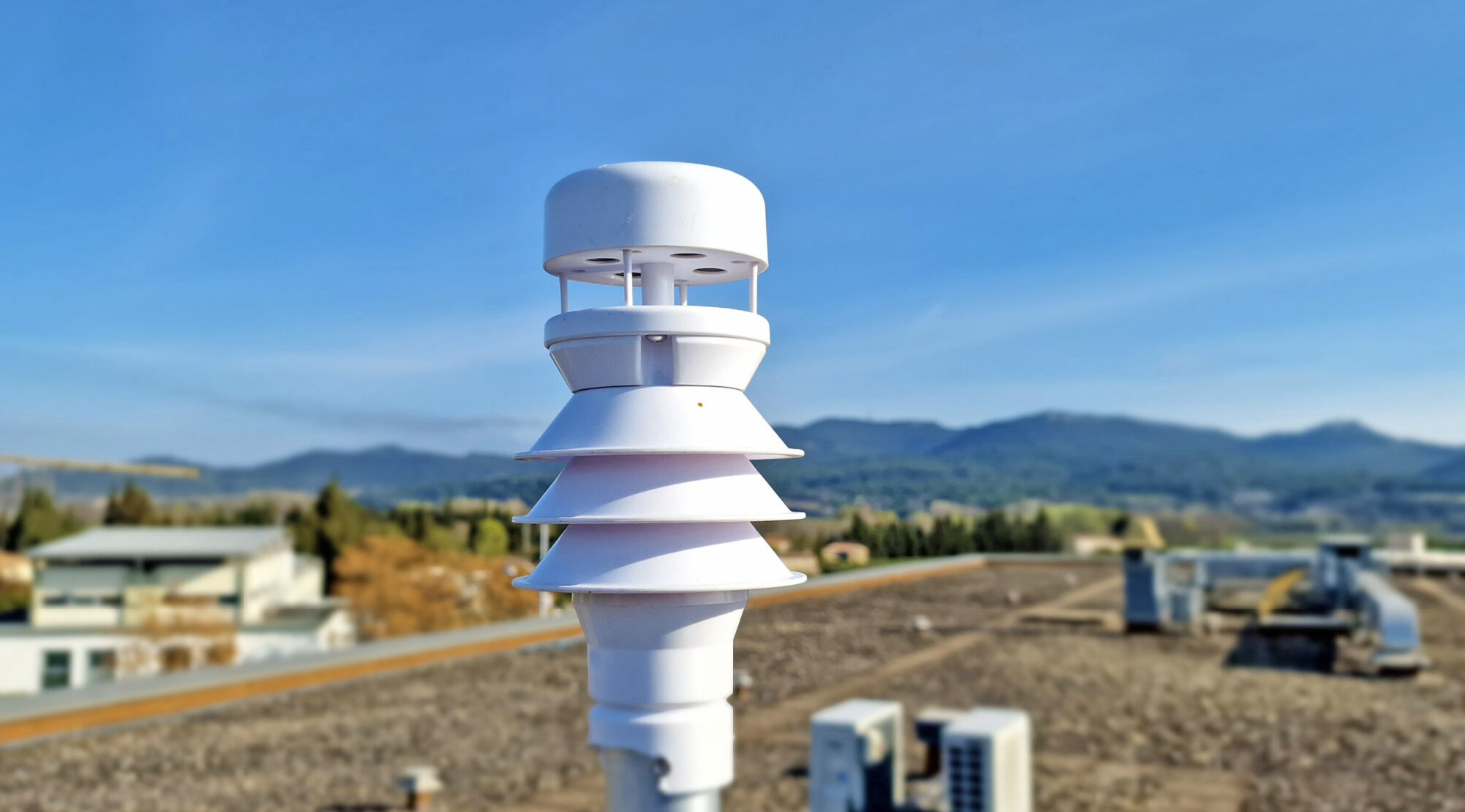
Enhance Your Allergy Management with the Pollen Count & Alerts App
The Pollen Count & Alerts App offers comprehensive features designed specifically to help Germantown residents navigate the challenging 9-month allergy season.
- Real-Time Pollen Counts: Access the latest pollen data specific to Germantown with updates on tree, grass, weed, and mold spore concentrations throughout the day
- Customized Allergy Alerts: Receive personalized notifications when pollen levels for your specific allergens reach thresholds that typically trigger your symptoms
- Accurate 5-Day Forecasts: Plan your week ahead with detailed pollen forecasts showing expected levels for each allergen type based on weather patterns and seasonal trends
- Educational Allergy Content: Learn about Germantown's specific pollen types, peak seasons, and evidence-based management strategies tailored to the Mid-Atlantic Piedmont region
- Intuitive User Interface: Navigate easily through pollen data, historical trends, and personalized recommendations with a clean, user-friendly design optimized for daily use


Explore More on Managing Seasonal Allergies
- Understanding Allergy Pollen Counts: Your Comprehensive Guide – Learn how to interpret pollen count levels and develop effective strategies to reduce your exposure during peak allergy seasons.
- Why Are My Allergies So Bad Right Now? | Pollen Count & Alerts App Blog – Discover the various factors, from climate change to air quality interactions, that can cause your seasonal allergies to intensify unexpectedly.
- Do Allergies Get Worse as You Age? | Pollen Count & Alerts App Blog – Understand how your body's immune response to allergens evolves throughout different life stages and what you can do to adapt.
Stay updated with the latest tips and insights by visiting the Alert Pollen Blog.
Pollen count in nearby cities
FAQ
When is pollen season in Germantown, MD?
Pollen season in Germantown typically runs from late February through November, spanning approximately nine months. The season features three distinct peak periods: April for tree pollen (oak, hickory, ash, and maple), June for grass pollen (Bermuda, Timothy, and Kentucky bluegrass), and September for weed pollen, particularly ragweed. Climate change has extended the ragweed season by several weeks, with warmer fall temperatures delaying the first frost that typically ends the pollen season in November.
What are the most common allergens in Germantown, MD?
The most common allergens in Germantown include tree pollen from oak, hickory, ash, and maple trees peaking in April; grass pollen from Bermuda grass, Timothy grass, and Kentucky bluegrass dominating in June; and weed pollen, especially ragweed, which peaks in September. Oak trees are particularly significant allergen producers in the region, releasing large amounts of highly allergenic pollen. Ragweed is the most problematic fall allergen, requiring fewer spores than tree pollen to trigger reactions and capable of traveling hundreds of miles on the wind.
How can the Pollen Count & Alerts App help me manage allergies in Germantown, MD?
The Pollen Count & Alerts App provides real-time pollen counts and personalized alerts specific to Germantown, helping you plan outdoor activities during lower pollen periods and prepare with appropriate medications before high-count days. By tracking the three major pollen peaks throughout the year—April's tree pollen, June's grass pollen, and September's ragweed—you can anticipate symptom flare-ups and take preventive measures to minimize allergic reactions.
Final Thoughts
Living in Germantown, MD means navigating a challenging nine-month pollen season with three distinct peaks affecting residents from late winter through late fall. However, being informed about the specific allergens in your area—from April's oak and hickory to September's ragweed—empowers you to take control of your allergy symptoms. The Pollen Count & Alerts App provides the localized, real-time information you need to make informed decisions about your daily activities and health management.
Download the Pollen Count & Alerts App today to receive personalized pollen alerts and forecasts tailored to Germantown's unique allergen profile. Take the guesswork out of managing your seasonal allergies and breathe easier year-round.
Take Control of Your Allergies Today
The Pollen Count & Alerts App delivers real-time pollen counts, personalized alerts based on your specific sensitivities, and comprehensive forecasts for tree, grass, and weed pollen in Germantown, MD. With accurate data from regional monitoring stations and predictive forecasting, you'll know exactly when to stay indoors, when to take preventive medication, and when it's safe to enjoy outdoor activities. Download the app now and experience the freedom of informed allergy management.