Located on Corio Bay along Victoria's south coast, Geelong experiences significant pollen challenges, particularly during the October to December grass pollen season. The city's coastal position and prevailing northerly winds carry pollen from inland grasslands, creating elevated exposure levels and increasing the risk of allergic rhinitis and thunderstorm asthma. This guide covers Geelong's pollen types, seasonal patterns, health risks, and strategies to manage your allergies effectively throughout the year.
Understanding Pollen Count in Geelong
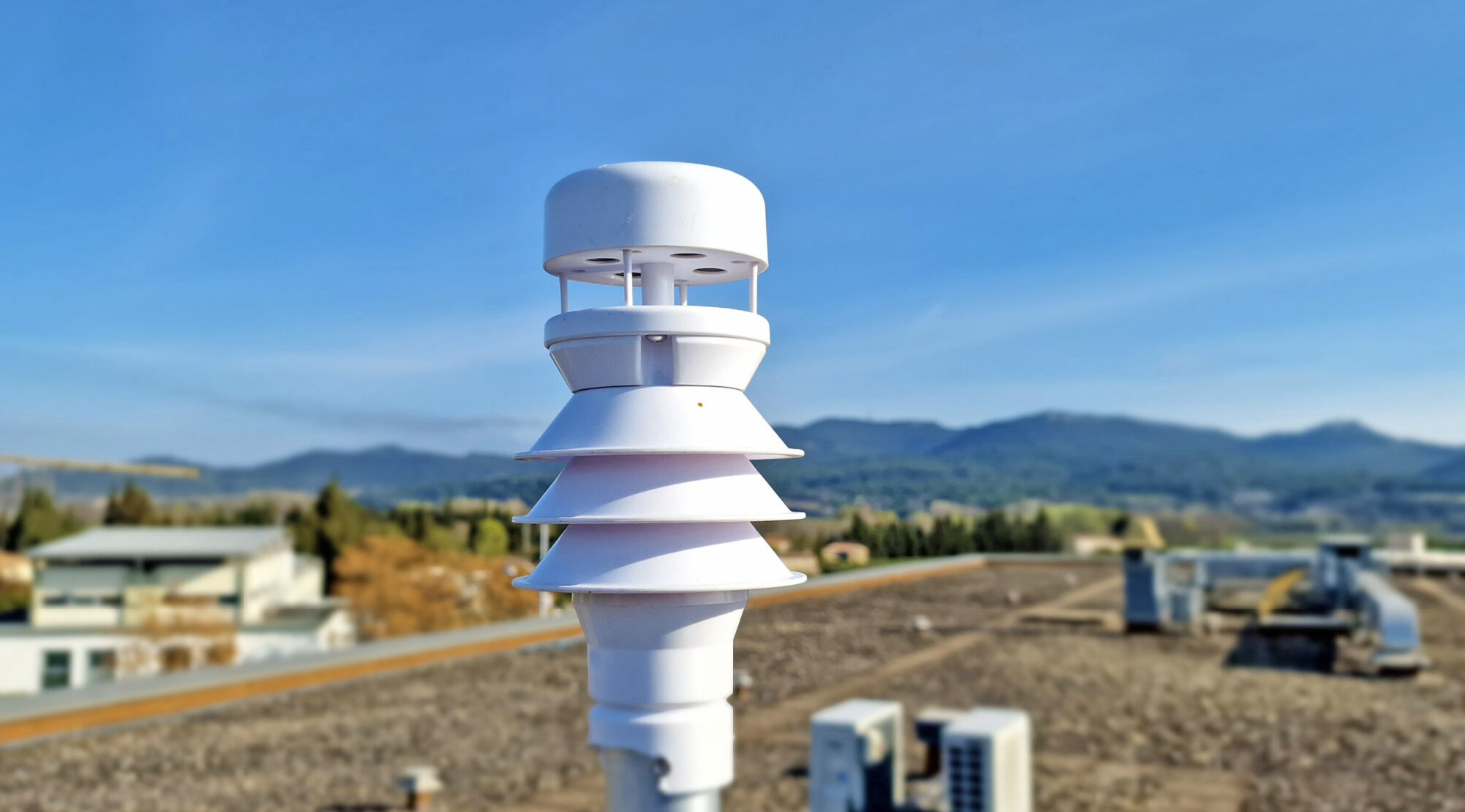
Pollen count measures the number of pollen grains per cubic meter of air, helping residents anticipate allergy severity. Geelong's pollen is monitored at the Waurn Ponds facility at Deakin University, providing accurate local data during the official grass pollen season from October 1 to December 31. When pollen levels are high or extreme, common symptoms include runny or itchy nose, watery eyes, throat irritation, sneezing, and for some individuals, severe asthma attacks.
Key Pollen Types and Recent Trends in Geelong
Ryegrass pollen dominates Geelong's allergen profile as the most significant aeroallergen in southern Australia. Recent monitoring data shows variable seasonal patterns, with the 2024 season experiencing below-average pollen levels due to dry, warm conditions and limited rainfall in October, while the 2025 season is showing below-trend levels compared to other Victorian monitoring sites, though more high and extreme days are expected than in 2024.
- Ryegrass (Lolium perenne): The dominant grass pollen allergen in Geelong, flowering primarily from October to December and responsible for the majority of hay fever cases
- White Cypress Pine: The only Australian native tree producing highly allergenic pollen, with peak activity from late July through the end of August
- Elm and Cypress Trees: Produce abundant pollen during late winter and spring months, contributing to early-season allergy symptoms
- Plantain Weeds: Flower from August through May, providing a prolonged weed pollen season that extends beyond the grass pollen peak
Geelong's coastal location creates a unique pollen exposure pattern, as prevailing northerly winds transport pollen from inland agricultural grasslands to the coast, resulting in higher pollen numbers along Victoria's south coast compared to inland areas. This wind-driven pollen transport, combined with the region's extensive ryegrass cultivation in surrounding agricultural areas, makes Geelong particularly susceptible to elevated grass pollen counts during the spring and early summer months.
Seasonal Pollen Patterns in Geelong
Geelong's pollen activity follows distinct seasonal patterns throughout the year:
- Spring (September to November): Grass pollen season begins in October with ryegrass reaching peak levels, while elm and cypress tree pollen remain active from late winter into spring
- Summer (December to February): Early summer (December) continues the grass pollen season with ryegrass at peak levels, followed by declining activity as summer progresses
- Autumn (March to May): Pollen levels are generally low to moderate, with plantain weeds continuing to flower and produce pollen throughout this period
- Winter (June to August): White Cypress Pine produces highly allergenic tree pollen from late July through August, while plantain weeds maintain year-round activity
Access Daily Pollen Data for Geelong
The Pollen Count & Alerts App provides Geelong residents with real-time pollen monitoring tailored to your location, helping you plan outdoor activities and manage allergy symptoms effectively. Track daily levels of tree, grass, and weed pollen, plus mold spore counts, with accurate forecasts based on data from Deakin AIRwatch and the Melbourne Pollen network. Stay informed with personalized alerts during high-risk periods, including critical thunderstorm asthma warnings during the grass pollen season.
Effective Allergy Management Strategies for Geelong Residents
Managing pollen allergies in Geelong requires a proactive approach, especially during the high-risk October to December period:
- Use the Pollen Count & Alerts App: Monitor real-time pollen levels and receive alerts to plan outdoor activities during low-pollen times and prepare for high-risk days
- Improve Indoor Air Quality: Keep windows closed during high pollen days, particularly when northerly winds are blowing, and use air conditioning with clean filters
- Practice Personal Hygiene: Shower and wash hair before bed to remove pollen particles, change clothes after being outdoors, and avoid drying laundry outside during peak season
- Install HEPA Air Purifiers: Use high-efficiency particulate air filters in bedrooms and main living areas to capture pollen particles and reduce indoor allergen exposure
- Consult an Allergist: Seek professional diagnosis and treatment options, including antihistamines, nasal sprays, and immunotherapy, especially if you have asthma or experience severe symptoms
Pollen Count & Alerts App Features for Better Allergy Management
The Pollen Count & Alerts App offers comprehensive tools to help Geelong residents manage allergies and reduce exposure to grass, tree, and weed pollen:
- Real-Time Pollen Counts: Access the latest pollen data specific to Geelong from the Waurn Ponds monitoring station and stay informed throughout the grass pollen season
- Customized Alerts: Receive personalized notifications for high pollen days and critical thunderstorm asthma risk forecasts during October to December
- Accurate Forecasts: Get 7-day pollen forecasts based on data from Melbourne Pollen and Deakin AIRwatch to plan your week ahead
- Educational Content: Learn about ryegrass, tree pollen, thunderstorm asthma risks, and evidence-based strategies to minimize allergy symptoms
- Intuitive Design: Navigate easily through pollen types, daily trends, and health recommendations with a user-friendly interface designed for quick daily checks


Explore More on Managing Seasonal Allergies
- Understanding Allergy Pollen Counts: Your Comprehensive Guide – Learn how to interpret pollen count levels and develop effective strategies to minimize your exposure during peak allergy seasons.
- Why Are My Allergies So Bad Right Now? | Pollen Count & Alerts App Blog – Discover the environmental and physiological factors that can cause your allergy symptoms to intensify unexpectedly.
- Do Allergies Get Worse as You Age? | Pollen Count & Alerts App Blog – Understand how your immune system evolves over time and why allergies can develop, worsen, or improve as you age.
Stay updated with the latest tips and insights by visiting the Alert Pollen Blog.
Pollen count in nearby cities
FAQ
When is pollen season in Geelong?
The main pollen season in Geelong runs from October to December, with grass pollen—particularly ryegrass—being the dominant allergen during this period. Tree pollen from elm and cypress species peaks in late winter and spring (August-September), while white cypress pine produces highly allergenic pollen from late July through the end of August. Weed pollen, especially from plantain, can be present from August through May.
What are the most common allergens in Geelong?
Ryegrass (Lolium perenne) is the most significant allergen in Geelong and throughout southern Australia, with introduced Northern Hemisphere grasses flowering primarily from October to December. White cypress pine is the only Australian tree producing highly allergenic pollen, active from late July to August, while elm and cypress trees contribute significant pollen loads in late winter and spring. Common weed allergens include plantain (August-May) and Paterson's Curse, a highly allergenic flowering plant introduced from England in the late 1800s.
How can I protect myself during thunderstorm asthma events in Geelong?
During the grass pollen season (October-December), monitor the Victorian Department of Health's epidemic thunderstorm asthma risk forecasts, which provide critical public health alerts when dangerous conditions are expected. Stay indoors with windows closed when thunderstorms approach on high pollen days, and ensure you have your asthma reliever medication readily available, even if you don't typically suffer from asthma. The Pollen Count & Alerts App provides real-time notifications to help you prepare for these potentially life-threatening events.
Final Thoughts
Living in Geelong means navigating seasonal pollen challenges, particularly during the October-December grass pollen season when ryegrass levels peak and the risk of thunderstorm asthma becomes a serious health concern. However, with access to excellent local monitoring resources like Deakin AIRwatch and the Melbourne Pollen network, combined with the Pollen Count & Alerts App, you can stay informed and take proactive steps to protect your health. Understanding your local pollen patterns and seasonal risks empowers you to manage allergies effectively throughout the year.
Download the Pollen Count & Alerts App today to receive real-time pollen counts, personalized alerts, and comprehensive forecasts tailored to Geelong's unique coastal environment and pollen patterns.
Take Control of Your Allergy Health Today
The Pollen Count & Alerts App provides real-time pollen counts specific to Geelong, personalized alerts for high-risk days, and comprehensive forecasts that help you plan outdoor activities safely. With critical thunderstorm asthma warnings during the grass pollen season, you'll have the information you need to protect yourself and your family. Download the app now and breathe easier all year round.