Fort Wayne, located in northeastern Indiana, experiences a humid continental climate with cold winters and warm, wet springs that significantly impact pollen production. The city's fertile landscape and surrounding rural areas support abundant growth of allergenic plants, particularly ragweed, oak, maple, and various grasses. This guide provides detailed information about Fort Wayne's pollen seasons, major allergen types, monitoring resources, and effective strategies to manage pollen allergies throughout the year.
Understanding Pollen Count in Fort Wayne
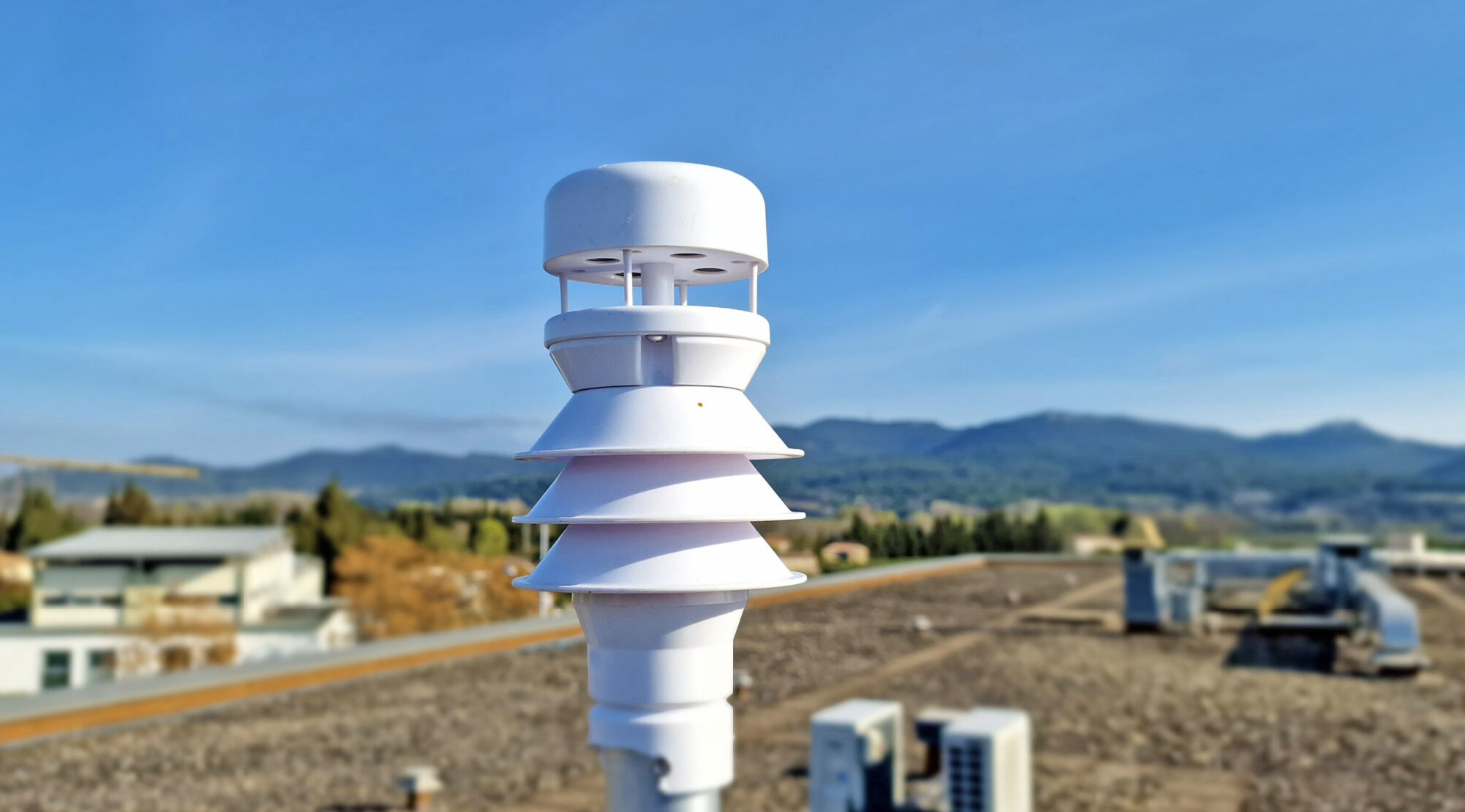
Pollen count measures the concentration of pollen grains per cubic meter of air, providing a quantifiable indication of allergen exposure. When counts are high, individuals with allergies typically experience symptoms including sneezing, runny nose, congestion, itchy eyes, and in severe cases, asthma exacerbation. Fort Wayne uses automated particulate sensors that employ neural network algorithms to identify specific pollen species in real-time.
Key Pollen Types and Recent Trends in Fort Wayne
Fort Wayne residents face exposure to three primary pollen categories throughout the year, with ragweed being the most prominent allergen concern. Data collected from February 2022 through May 2023 by Pollen Sense automated sensors reveals significant monthly variations in pollen concentrations across tree, grass, and weed categories. Climate change is contributing to longer pollen seasons and higher overall counts, with warmer winters enabling earlier season starts.
- Ragweed Pollen: Peaks in mid-September and remains the most significant allergen, thriving in Fort Wayne's fertile rural surroundings and causing severe reactions for asthma patients
- Tree Pollen: Dominated by oak, maple, hickory, and birch species, with peak concentrations occurring in April when warm, wet spring conditions accelerate pollination
- Grass Pollen: Timothy and Kentucky Bluegrass are most prevalent due to widespread lawn use, with highest levels during May-June on warm, windy days
- Mold Spores: Year-round concern due to Fort Wayne's high humidity levels, adding an additional allergen burden beyond traditional pollen sources
Temperature inversions common to the region can concentrate pollen levels by preventing upward dispersion, effectively creating a lid that traps allergens near ground level. This phenomenon, combined with the area's humid conditions, makes Fort Wayne particularly challenging for allergy sufferers during peak seasons.
Seasonal Pollen Patterns in Fort Wayne
Fort Wayne's pollen calendar follows distinct seasonal patterns with three primary allergen waves throughout the year.
- Spring (Late February to May): Dominated by tree pollen from oak, maple, hickory, birch, ash, willow, and cedar, with peak concentrations in April
- Summer (Late May to August): Grass pollen season featuring Timothy grass, Kentucky Bluegrass, orchard grass, fescue, and ryegrass, peaking in May-June
- Fall (Mid-August to November): Weed pollen season heavily dominated by ragweed, reaching peak levels in mid-September and continuing until the first hard freeze
- Winter (December to Early February): Minimal outdoor pollen activity, though indoor allergens like mold spores and dust mites remain problematic due to humidity
Access Daily Pollen Data for Fort Wayne
The Pollen Count & Alerts App provides Fort Wayne residents with real-time pollen monitoring specific to the local area. Track daily concentrations of tree, grass, weed pollen, and mold spores to plan outdoor activities during low-pollen periods. Receive customized alerts based on your specific allergen sensitivities to minimize exposure during peak pollen hours, which typically occur between 5:00 AM and 10:00 AM.
Effective Allergy Management Strategies for Fort Wayne Residents
Implementing these evidence-based strategies can significantly reduce pollen exposure and alleviate allergy symptoms.
- Use the Pollen Count & Alerts App: Monitor real-time pollen levels and receive alerts to plan outdoor activities during low-pollen times, particularly avoiding early morning hours
- Improve Indoor Air Quality: Keep windows closed during high-pollen periods, especially on dry and windy days when pollen dispersal is greatest
- Practice Personal Hygiene: Shower and change clothes after outdoor activities to remove pollen from hair and skin, preventing indoor contamination
- Install HEPA Air Purifiers: Use high-efficiency particulate air filters in bedrooms and living spaces to remove airborne pollen and mold spores from indoor environments
- Consult Local Allergists: Seek professional care from Fort Wayne Allergy & Asthma Consultants or The Allergy & Asthma Center for personalized treatment plans
Enhance Your Allergy Management with the Pollen Count & Alerts App
The Pollen Count & Alerts App offers comprehensive features designed to help Fort Wayne residents effectively manage pollen allergies year-round.
- Real-Time Pollen Counts: Access the latest pollen data specific to Fort Wayne using automated sensor technology from Pollen Sense network
- Customized Allergy Alerts: Receive personalized notifications based on your specific allergen triggers, including tree, grass, weed pollen, and mold spores
- Accurate Pollen Forecasts: Plan ahead with detailed multi-day forecasts showing expected pollen levels for each allergen category
- Educational Allergy Content: Learn about Fort Wayne's specific pollen types, peak seasons, and evidence-based management strategies
- Intuitive User Interface: Navigate easily through pollen data, forecasts, and alerts with a clean, user-friendly design optimized for daily use


Explore More on Managing Seasonal Allergies
- Understanding Allergy Pollen Counts: Your Comprehensive Guide – Learn how to interpret pollen count levels and develop effective strategies to minimize your allergy symptoms throughout the year.
- Why Are My Allergies So Bad Right Now? | Pollen Count & Alerts App Blog – Discover the factors that can cause allergies to worsen suddenly, including climate change impacts and environmental triggers.
- Do Allergies Get Worse as You Age? | Pollen Count & Alerts App Blog – Understand how your body's response to allergens evolves over time and what you can do to adapt your allergy management approach.
Stay updated with the latest tips and insights by visiting the Alert Pollen Blog.
Pollen count in nearby cities
FAQ
When is pollen season in Fort Wayne, IN?
Pollen season in Fort Wayne spans from late February through the first hard freeze in November. Tree pollen dominates from late February to May, with April being the peak month. Grass pollen takes over from late May through August, peaking in early summer, while weed pollen, particularly ragweed, becomes prominent from mid-August through November with September being the most intense month.
What are the most common allergens in Fort Wayne?
Fort Wayne's most common tree allergens include oak, maple, hickory, birch, ash, and willow, which peak in April. During late spring and summer, Timothy grass, Kentucky Bluegrass, orchard grass, and fescue are the primary culprits, with peak levels in May and June. Ragweed is the most prominent weed allergen, peaking in mid-September, along with wormwood, sagebrush, amaranth, plantain, and nettle. Additionally, Fort Wayne's humid climate promotes year-round mold spore growth and house dust mites, which can exacerbate allergy symptoms.
How can I protect myself from high pollen days in Fort Wayne?
Monitor daily pollen forecasts through the Pollen Count & Alerts App, which provides real-time data from automated sensors throughout Fort Wayne. Stay indoors during peak pollen hours (5:00 AM to 10:00 AM) on dry, windy days, and plan outdoor activities after substantial rainfall when pollen counts are naturally lower. Keep windows closed during high pollen periods and shower after spending time outside to remove pollen from your hair and skin.
Final Thoughts
Living with pollen allergies in Fort Wayne presents challenges throughout most of the year, from tree pollen in early spring to ragweed in fall. However, armed with knowledge about local allergen patterns and access to real-time monitoring through the Pollen Count & Alerts App, you can take control of your symptoms. Understanding peak pollen periods and daily patterns empowers you to make informed decisions about outdoor activities and preventive measures.
Download the Pollen Count & Alerts App today to receive personalized alerts tailored to Fort Wayne's unique pollen patterns and protect yourself during high-count days.
Take Control of Your Allergies Today
The Pollen Count & Alerts App gives you access to real-time pollen counts from Fort Wayne's automated monitoring stations, personalized alerts based on your specific sensitivities, and comprehensive forecasts to help you plan your week. Whether you're dealing with spring tree pollen, summer grasses, or fall ragweed, our app provides the information you need to minimize symptoms and enjoy life in Fort Wayne.