Fort Lauderdale, located along Florida's southeastern coast, features a subtropical climate with over 300 miles of inland waterways that support year-round plant growth. This warm, humid environment creates one of the most prolonged allergy seasons in the United States, with residents facing continuous exposure to tree, grass, weed pollen, and mold spores. This guide provides comprehensive information about Fort Lauderdale's pollen types, seasonal patterns, recent trends, and effective management strategies to help you navigate the city's challenging allergen landscape.
Understanding Pollen Count in Fort Lauderdale
Pollen count measures the concentration of pollen grains per cubic meter of air, typically collected through automated sensors and volumetric spore traps. When pollen counts are high, allergy sufferers may experience sneezing, runny nose, itchy eyes, congestion, coughing, and in some cases, aggravated asthma symptoms. Fort Lauderdale's subtropical climate and high humidity levels of 70-90% cause pollen to remain airborne longer, intensifying exposure and symptoms.
Key Pollen Types and Recent Trends in Fort Lauderdale
Fort Lauderdale residents face exposure to multiple significant allergen sources throughout the year. Oak trees, particularly Live Oak and Laurel Oak lining the Intracoastal Waterway and New River, represent the single most impactful tree allergen, creating yellow-green pollen coats on surfaces citywide during peak season. Bahia grass, the dominant lawn species in Broward County, produces copious wind-dispersed pollen across residential areas, parks, and roadside medians from April through October. Climate change has extended pollen seasons and increased pollen production volumes, making symptoms worse for allergy sufferers.
- Oak Pollen: Peaks February through April with highest severity in March-April, coating surfaces with yellow-green pollen across the city
- Bahia Grass Pollen: Dominates April through October with maximum production in April-May, never going fully dormant due to warm climate
- Ragweed Pollen: Pollination occurs August through November with peak concentrations in September-October during weed season
- Mold Spores: Most persistent allergen present year-round on virtually every outdoor surface, fueled by 70-90% humidity and proximity to Everglades
Climate change is significantly impacting Fort Lauderdale's allergen landscape, causing longer pollen seasons, increased pollen production volumes, and worse allergy symptoms. Rising temperatures extend pollination periods beyond traditional ranges, while the city's mild winters and prolonged warm periods eliminate the cold-weather breaks that provide relief in other regions. The combination of extensive waterway networks, invasive species like Australian Pine and Brazilian Pepper, and urban lawn coverage creates a particularly challenging environment for allergy sufferers with no pollen-free season.
Seasonal Pollen Patterns in Fort Lauderdale
Fort Lauderdale experiences year-round pollen exposure with distinct seasonal peaks for different allergen types:
- Winter (December to February): Cypress trees and Australian Pine pollinate during this period, with some oak and pine species beginning production and occasional warm spells triggering brief pollination events
- Spring (March to May): Peak tree pollen season with oak reaching annual maximum in March-April and Bahia grass beginning heavy production in April-May
- Summer (June to August): Continued grass pollen dominance from Bahia and Bermuda grasses across lawns, golf courses, and athletic fields, with ragweed season beginning in August
- Fall (September to November): Peak weed season with ragweed producing maximum pollen concentrations in September-October, while grass pollen continues through warm weather
Access Daily Pollen Data for Fort Lauderdale
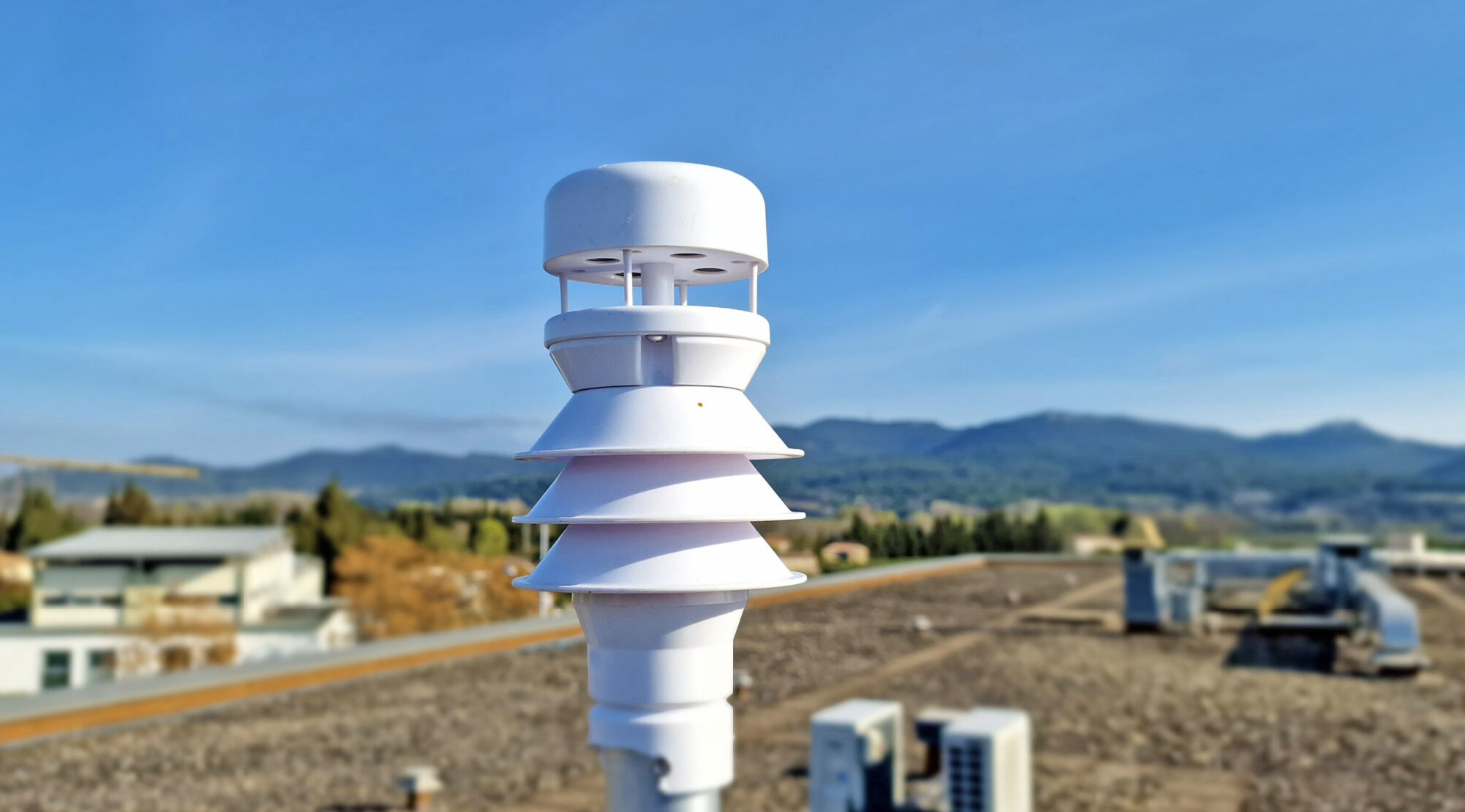
The Pollen Count & Alerts App provides Fort Lauderdale residents with real-time pollen monitoring and forecasts tailored to your specific location. Track tree, grass, weed, and mold spore levels throughout the day and receive personalized alerts when counts are elevated, allowing you to plan outdoor activities during lower-pollen periods. With accurate data from automated particulate sensors and neural network species identification, you can make informed decisions to minimize allergen exposure.
Effective Allergy Management Strategies for Fort Lauderdale
Managing pollen allergies in Fort Lauderdale's year-round allergen environment requires proactive strategies:
- Use the Pollen Count & Alerts App: Monitor real-time pollen levels and receive alerts to plan outdoor activities during low-pollen times and prepare medications accordingly
- Maintain Indoor Air Quality: Keep windows closed during peak pollen hours, use air conditioning with clean filters, and create a pollen-free sanctuary inside your home
- Practice Personal Hygiene: Shower and change clothes after outdoor exposure, wash hair before bed to remove pollen, and avoid bringing allergens into sleeping areas
- Install HEPA Air Purifiers: Use high-efficiency particulate air filters in bedrooms and main living spaces to capture airborne pollen, mold spores, and other allergens
- Consult an Allergist: Seek professional evaluation for persistent symptoms, consider allergy testing to identify specific triggers, and explore immunotherapy options for long-term relief
App Features to Enhance Your Allergy Management
The Pollen Count & Alerts App offers comprehensive tools designed specifically for Fort Lauderdale's unique year-round allergen challenges:
- Real-Time Pollen Counts: Access the latest pollen data specific to Fort Lauderdale, including separate measurements for tree, grass, weed, and mold spore levels
- Customized Alerts: Receive personalized notifications when pollen counts reach levels that trigger your symptoms, allowing proactive medication use
- Accurate Forecasts: View multi-day pollen predictions based on weather patterns, seasonal trends, and local vegetation to plan activities in advance
- Educational Content: Learn about specific allergens like oak, Bahia grass, ragweed, and mold species prevalent in Fort Lauderdale's subtropical environment
- Intuitive Design: Navigate an easy-to-use interface with clear visualizations, historical data tracking, and symptom logging features


Learn More About Managing Year-Round Allergies
- Understanding Allergy Pollen Counts: Your Comprehensive Guide – Discover how to interpret pollen count levels and develop effective strategies for managing your allergies throughout different seasons.
- Why Are My Allergies So Bad Right Now? | Pollen Count & Alerts App Blog – Understand the factors that can cause your allergies to suddenly intensify, from climate changes to increased pollen production.
- Do Allergies Get Worse as You Age? | Pollen Count & Alerts App Blog – Learn how your body's response to allergens can shift as you age and what you can do to adapt your allergy management approach.
Stay informed with expert advice and seasonal updates by visiting the Alert Pollen Blog.
Pollen count in nearby cities
FAQ
When is pollen season in Fort Lauderdale, FL?
Fort Lauderdale's subtropical climate means there is no pollen-free season throughout the year. Tree pollen peaks from February to April (especially oak trees in March-April), grass pollen is highest from April to October (with Bahia and Bermuda grass peaking in April-May), and weed pollen, particularly ragweed, reaches its maximum from August to November (peak in September-October). Overall, April, May, and September are the most challenging months for allergy sufferers.
What are the most common allergens in Fort Lauderdale, FL?
The most common tree allergens include oak (Live Oak and Laurel Oak), Australian Pine, and cypress, with oak being the single most impactful tree allergen peaking from February to April. Bahia grass and Bermuda grass dominate grass pollen production from April through October, with Bahia grass being particularly abundant in residential lawns and medians throughout Broward County. Ragweed is the primary weed allergen, pollinating from August to November with peak concentrations in September and October. Additionally, mold spores from Alternaria, Cladosporium, Aspergillus, and Penicillium are persistent year-round allergens due to Fort Lauderdale's high humidity (70-90%).
How can I use the Pollen Count & Alerts App to manage my allergies in Fort Lauderdale?
The Pollen Count & Alerts App provides real-time pollen counts and personalized alerts specific to Fort Lauderdale, allowing you to plan outdoor activities during lower pollen periods. Use the app to monitor daily forecasts and receive notifications when oak, grass, or ragweed levels spike during peak seasons (April, May, and September), so you can take preventive medications before symptoms worsen. The app's comprehensive data helps you understand which specific allergens are affecting you each day in Fort Lauderdale's year-round pollen environment.
Final Thoughts
Living in Fort Lauderdale means facing pollen challenges year-round, but understanding the specific allergens and their peak seasons empowers you to take control of your health. With oak trees dominating spring, grasses peaking in late spring and summer, and ragweed filling the fall air, knowledge of Fort Lauderdale's unique pollen patterns is your first line of defense. The Pollen Count & Alerts App puts this critical information at your fingertips, helping you navigate the city's subtropical allergen landscape with confidence.
Don't let Fort Lauderdale's year-round pollen season control your life. Download the Pollen Count & Alerts App today to receive personalized alerts and real-time pollen data that help you breathe easier every day of the year.
Take Control of Your Allergies Today
The Pollen Count & Alerts App delivers real-time pollen counts, personalized alerts based on your specific sensitivities, and comprehensive forecasts tailored to Fort Lauderdale's unique subtropical environment. With detailed tracking of oak, grass, ragweed, and mold levels throughout the year, you'll always know when to take precautions and when it's safe to enjoy the outdoors. Download the app now and experience the difference that accurate, localized pollen information can make in managing your allergies.