Fort Collins, Colorado sits at the western base of the Front Range of the Rocky Mountains along the Cache La Poudre River, about 65 miles north of Denver. The city's high-altitude semi-arid climate, abundant urban greenspaces, and riparian vegetation create optimal conditions for significant pollen production from spring through fall. This guide covers Fort Collins' seasonal pollen patterns, key allergens, local monitoring resources, and effective strategies for managing pollen allergies throughout the year.
Understanding Pollen Count in Fort Collins
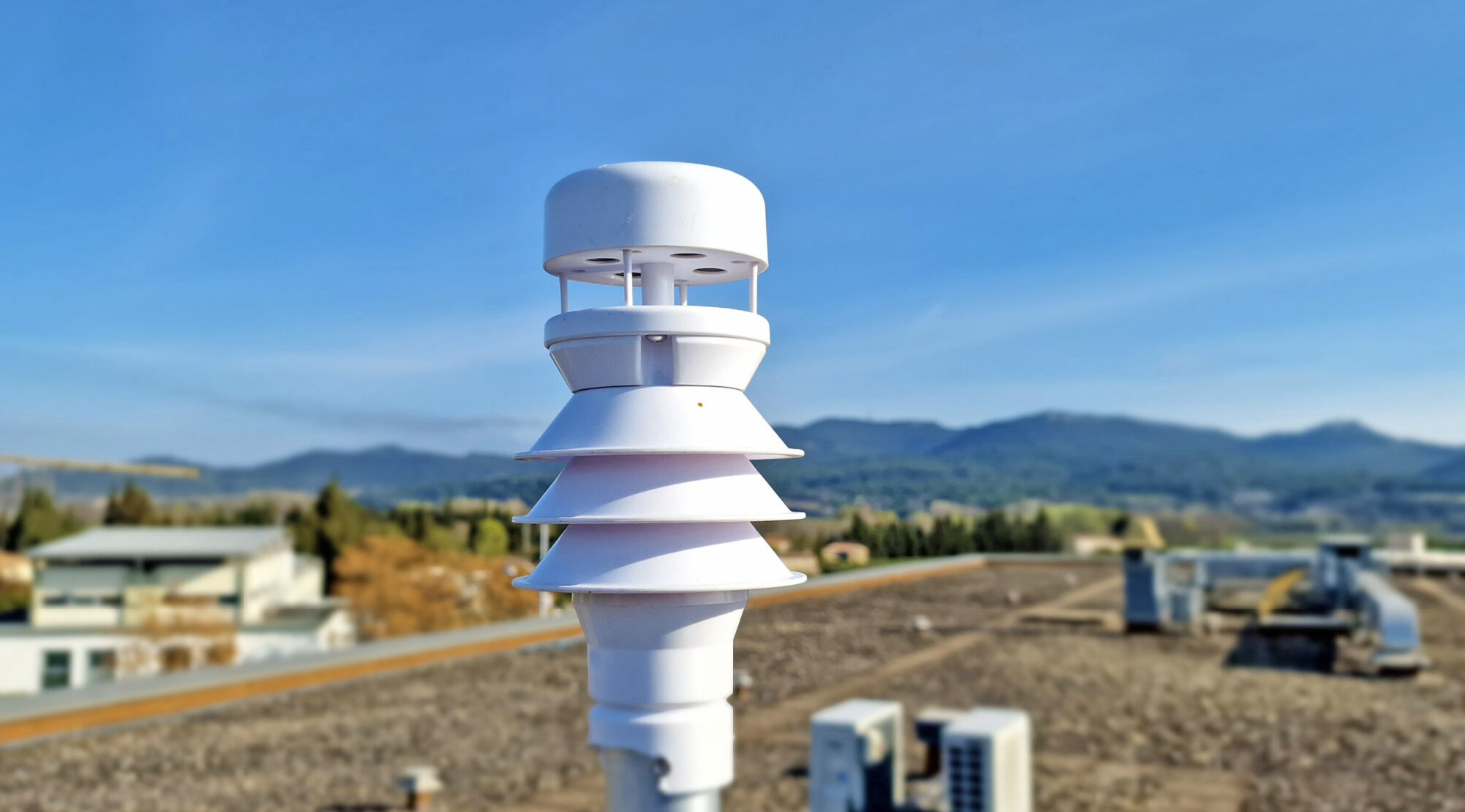
Pollen count measures the concentration of pollen grains per cubic meter of air, helping residents anticipate allergy severity. Fort Collins uses automated particulate sensors that provide real-time pollen identification through advanced neural network algorithms, a significant improvement over traditional manual sampling methods that take 2-3 days for results. When pollen counts are high, common symptoms include sneezing, runny nose, itchy eyes, congestion, and for asthma sufferers, shortness of breath and wheezing.
Key Pollen Types in Fort Collins
Fort Collins experiences three distinct pollen seasons with specific allergenic plants dominating each period. Based on data collected from February 2022 through May 2023 using Pollen Sense automated sensors, the city shows consistent seasonal patterns with April through June being the most intense allergy period overall.
- Tree Pollen: Dominated by juniper, cottonwood, oak, and aspen from late March through early June, with peak concentrations in April and May
- Grass Pollen: Kentucky bluegrass, ryegrass, and Timothy grass produce highest levels in early July, starting in May and continuing through August
- Ragweed Pollen: Primary fall allergen peaking from August through October, ending with the first frost in October
- Sagebrush and Tumbleweed: Significant late summer and fall contributors along with ragweed, thriving in Fort Collins' semi-arid climate
The city's position at the base of the Rockies combined with riparian zones near the Cache La Poudre River promotes higher plant growth and pollen production. Construction activity from ongoing urban development disturbs soil and releases settled pollen back into the air, causing temporary spikes. Wind speed and direction from the Great Plains to the east significantly impact daily pollen dispersal throughout the region.
Seasonal Pollen Patterns in Fort Collins
Fort Collins' pollen calendar follows three well-defined seasons based on plant type:
- Spring (Late March to Early June): Tree pollen dominates from juniper, cottonwood, aspen, oak, elm, maple, and birch, with highest levels in April and May
- Summer (May to August): Grass pollen season peaks in early July with Kentucky bluegrass, Timothy grass, orchard grass, and perennial ryegrass producing high concentrations
- Late Summer and Fall (August to October): Weed pollen from ragweed, sagebrush, Russian thistle, and lamb's quarters peaks through August and September until first frost
- Winter (November to February): Pollen levels drop significantly with occasional mild-day releases from cedar and juniper in warmer periods
Access Daily Pollen Data for Fort Collins
The Pollen Count & Alerts App provides Fort Collins residents with real-time pollen monitoring specific to the local area. Track daily concentrations of tree, grass, and weed pollen plus mold spores using data from automated particulate sensors throughout the region. Receive personalized alerts when pollen levels rise so you can plan outdoor activities during low-pollen periods and take preventive measures before symptoms worsen.
Effective Allergy Management Strategies
Fort Collins allergy sufferers can reduce symptoms by following these evidence-based management strategies:
- Use the Pollen Count & Alerts App: Monitor real-time pollen levels and receive alerts to plan outdoor activities during low-pollen times
- Maintain Indoor Air Quality: Keep windows closed during high pollen days, use air conditioning with clean filters, and run dehumidifiers to reduce indoor allergen concentrations
- Practice Personal Hygiene: Shower and wash hair before bed to remove pollen, change clothes after being outdoors, and rinse nasal passages with saline solution
- Install HEPA Air Purifiers: Use high-efficiency particulate air filters in bedrooms and main living areas to capture pollen particles and reduce indoor allergen exposure
- Consult an Allergist: Fort Collins has 15 asthma and allergy specialists who can provide testing, immunotherapy, and personalized treatment plans for severe symptoms
Pollen Count & Alerts App Features for Fort Collins
The Pollen Count & Alerts App offers comprehensive tools designed specifically for Fort Collins allergy sufferers:
- Real-Time Pollen Counts: Access the latest pollen data specific to Fort Collins using automated sensor networks throughout Northern Colorado
- Customized Allergy Alerts: Receive notifications when pollen levels for your specific allergens reach thresholds that trigger your symptoms
- Accurate 5-Day Forecasts: Plan your week with reliable pollen predictions based on weather conditions, seasonal patterns, and historical data
- Educational Content: Learn about local allergens including ragweed, juniper, Kentucky bluegrass, and other Fort Collins-specific pollen sources
- Intuitive Interface: Track multiple pollen types simultaneously with easy-to-read charts showing daily and weekly trends for informed decision-making


Explore More About Managing Seasonal Allergies
- Understanding Allergy Pollen Counts: Your Comprehensive Guide – Learn how to interpret pollen count levels and develop effective strategies to minimize your exposure during high-allergen days.
- Why Are My Allergies So Bad Right Now? | Pollen Count & Alerts App Blog – Discover the environmental and physiological factors that can cause your allergies to intensify unexpectedly, even if you've never had severe symptoms before.
- Do Allergies Get Worse as You Age? | Pollen Count & Alerts App Blog – Understand why your body's response to allergens can shift over time and what to expect as you get older.
Stay updated with the latest tips and insights by visiting the Alert Pollen Blog.
Pollen count in nearby cities
FAQ
When is pollen season in Fort Collins, CO?
Fort Collins experiences three distinct pollen seasons throughout the year. Tree pollen begins in late March and peaks during April and May, followed by grass pollen season from May through August with the highest levels in June and early July. Weed pollen, particularly ragweed and sagebrush, dominates from August through October, ending with the first frost.
What are the most common allergens in Fort Collins, CO?
The primary allergens in Fort Collins include cedar, juniper, oak, cottonwood, and aspen trees during spring; Kentucky bluegrass, Timothy grass, and ryegrass during summer; and ragweed, sagebrush, and Russian thistle during fall. April through June represents the most intense allergy period overall, with tree and grass pollen often overlapping. The city's location at the base of the Rocky Mountains and along the Cache la Poudre River creates ideal conditions for high pollen production from diverse plant species.
How can I use the Pollen Count & Alerts App to manage my allergies in Fort Collins?
The Pollen Count & Alerts App provides real-time pollen data specifically for Fort Collins using advanced automated sensors, giving you immediate alerts when pollen levels spike. By checking daily forecasts before heading outdoors, you can plan activities during lower pollen periods and take preventive medication when needed. This is especially valuable during Fort Collins' peak allergy months of April, May, and June when multiple pollen types often overlap.
Final Thoughts
Living in Fort Collins means navigating three distinct pollen seasons shaped by the city's unique geography at the base of the Rockies. While the overlapping tree and grass pollen from April through June can be challenging, having access to real-time, localized pollen data through the Pollen Count & Alerts App empowers you to take control of your allergy management. Understanding which specific allergens affect you and when they peak allows you to plan ahead and reduce symptoms effectively.
Don't let pollen dictate your outdoor activities in beautiful Fort Collins. Download the Pollen Count & Alerts App today to receive personalized alerts and stay one step ahead of your allergies.
Take Control of Your Allergies Today
The Pollen Count & Alerts App delivers real-time pollen counts for Fort Collins using advanced automated sensors, personalized alerts based on your specific sensitivities, and comprehensive multi-day forecasts. Whether you're dealing with spring tree pollen, summer grasses, or fall ragweed, you'll have the information you need to breathe easier. Download now and experience the difference that hyperlocal, real-time pollen data can make.