East Flatbush, located in central Brooklyn, New York, experiences a humid subtropical climate that supports diverse allergenic plant species year-round. Residents face intense triple-threat allergy seasons from tree, grass, and weed pollen, amplified by urban heat islands and building canyons that trap pollen at street level. This guide covers the main pollen types, seasonal patterns, recent trends, and effective strategies for managing allergies in East Flatbush.
Understanding Pollen Count in East Flatbush
Pollen count measures the number of pollen grains per cubic meter of air over a 24-hour period, following National Allergy Bureau standards. When pollen counts reach high levels (typically 8.6-11.2 range), residents commonly experience allergic rhinitis symptoms including sneezing, runny nose, itchy eyes, congestion, and asthma exacerbations. Fordham University's monitoring station has tracked these measurements since 1997, providing critical data for the Brooklyn area.
Key Pollen Types and Recent Trends in East Flatbush
Spring 2025 recorded the most intense allergy levels in recent history for East Flatbush, with pollen counts regularly hitting the very high range of 8.6-11.2. The season started earlier than usual and lasted approximately 20 days longer than historical averages across the Northeast. Five tree species—maple, plane tree, oak, birch, and mulberry—comprise 71% of airborne pollen and 93% of estimated pollen production in New York City.
- Oak Pollen: Dominant tree allergen producing heavy pollen loads during April-May peak, responsible for the highest intensity allergy period of the year
- Ragweed Pollen: Most potent fall allergen with single plants producing up to 1 billion grains that can travel 400 miles, peaking in September
- Birch Pollen: Highly allergenic protein causes severe reactions and cross-reacts with food allergens, abundant in Prospect Park and residential areas
- Maple Pollen: Extremely allergenic tree pollen that travels for miles, contributing significantly to early spring allergy burden
Climate change has extended pollen seasons by approximately 20 days since 1990, with warmer temperatures and increased carbon dioxide levels driving more pollen production. Brooklyn's urban heat island effect further extends seasons and concentrates pollen in street-level canyons formed by tall buildings, creating localized hotspots throughout East Flatbush neighborhoods.
Seasonal Pollen Patterns in East Flatbush
East Flatbush experiences distinct pollen seasons running from late February through October, totaling approximately 180 days annually.
- Spring (March to May): Tree pollen dominates with birch, elm, and maple starting in March-April, followed by oak in April-May, with May representing the peak pollen month of the entire year
- Summer (June to August): Grass pollen reaches maximum levels from timothy grass, Kentucky bluegrass, ryegrass, and Bermuda grass, with highest concentrations in June-July
- Fall (September to October): Ragweed pollen peaks in September as the most severe fall allergy month, accompanied by mugwort, pigweed, dock, and plantain before tapering off in October
- Winter (November to February): Minimal pollen activity with occasional late-season weed pollen in mild conditions, providing relief until late February when tree pollen resumes
Access Daily Pollen Data for East Flatbush
The Pollen Count & Alerts App provides real-time pollen monitoring specifically for East Flatbush and Brooklyn, tracking tree, grass, weed, and mold spore levels throughout the day. Stay informed with location-specific data that helps you plan outdoor activities during low-pollen periods and take preventive measures when counts spike. Download the app today to receive personalized alerts based on your sensitivity levels.
Effective Allergy Management Strategies for East Flatbush Residents
Managing pollen allergies in East Flatbush requires proactive monitoring and strategic lifestyle adjustments during peak seasons.
- Use the Pollen Count & Alerts App: Monitor real-time pollen levels and receive customized alerts to plan outdoor activities during low-pollen times, especially during April, May, and September
- Maintain Indoor Air Quality: Keep windows closed during high pollen days, use air conditioning with clean filters, and run HEPA air purifiers in bedrooms and living spaces
- Practice Personal Hygiene: Shower and wash hair before bed to remove pollen accumulated during the day, change clothes after outdoor exposure, and avoid line-drying laundry outside
- Install HEPA Air Purifiers: Use high-efficiency particulate air filters in your home to capture airborne pollen grains, particularly beneficial in bedrooms during overnight hours
- Consult an Allergist: Visit Brooklyn allergy specialists for personalized treatment plans, including immunotherapy options and prescription medications for severe symptoms
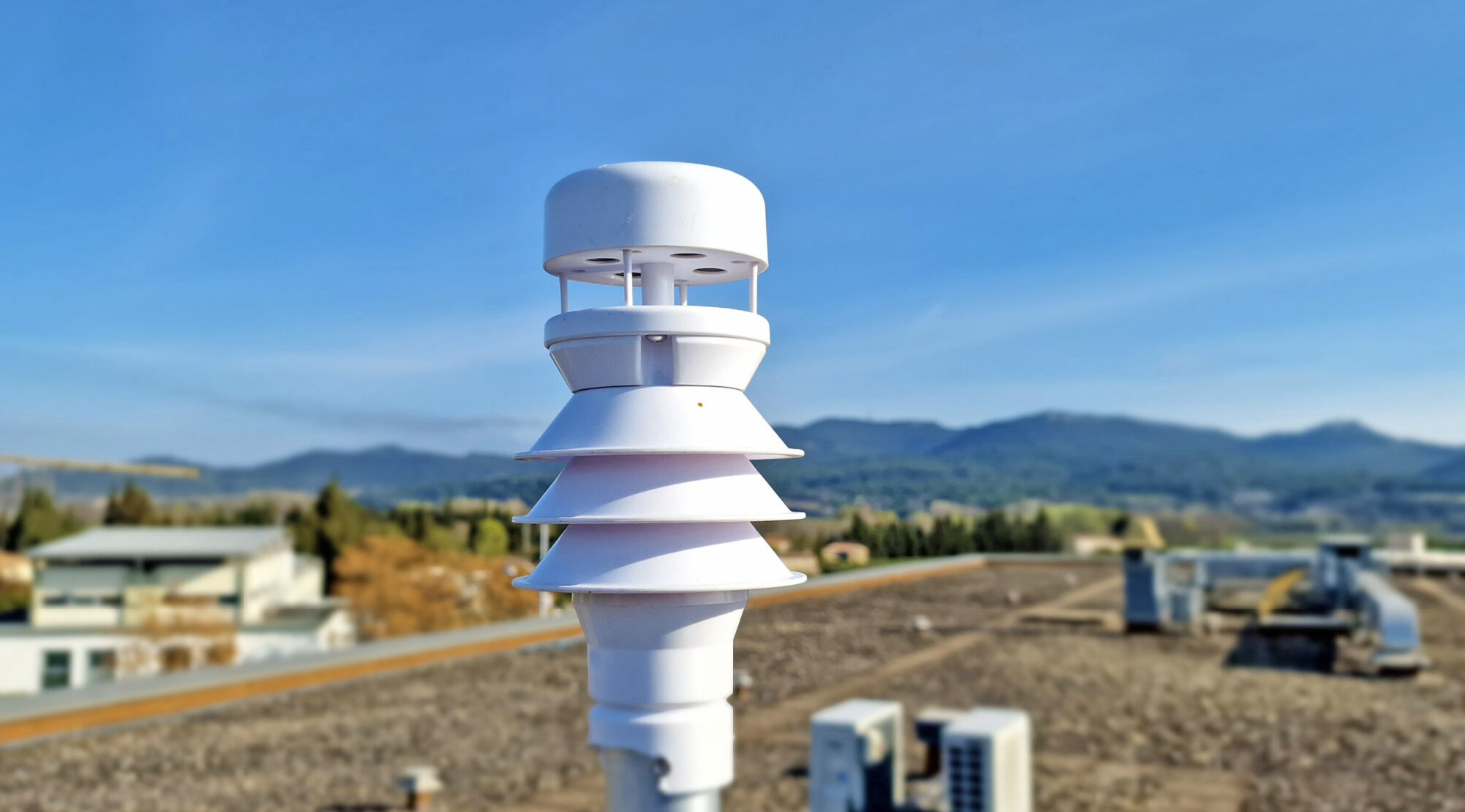
Pollen Count & Alerts App Features for Enhanced Allergy Management
The Pollen Count & Alerts App offers comprehensive tools designed specifically to help East Flatbush residents track and manage their pollen exposure effectively.
- Real-Time Pollen Counts: Access the latest scientifically validated pollen data specific to East Flatbush and Brooklyn, updated throughout the day
- Customized Pollen Alerts: Receive notifications when pollen levels for your specific allergens reach thresholds that trigger your symptoms
- Accurate Seasonal Forecasts: View extended forecasts showing when oak, ragweed, and grass pollen seasons will peak based on local weather patterns
- Educational Allergy Content: Learn about specific allergens affecting East Flatbush, including identification of problematic trees and weeds in your neighborhood
- Intuitive User Interface: Navigate easily between current conditions, hourly forecasts, and historical trends with a clean, user-friendly design


Learn More About Managing Your Seasonal Allergies
- Understanding Allergy Pollen Counts: Your Comprehensive Guide – Discover how to interpret pollen count levels and develop effective strategies to minimize your exposure and manage allergy symptoms year-round.
- Why Are My Allergies So Bad Right Now? | Pollen Count & Alerts App Blog – Understand the factors that can cause sudden worsening of allergy symptoms, including climate change, urban pollution, and cross-reactivity with foods.
- Do Allergies Get Worse as You Age? | Pollen Count & Alerts App Blog – Explore how allergic sensitivities can develop, intensify, or diminish as you age and what you can do to adapt your management approach.
Stay updated with the latest tips and insights by visiting the Alert Pollen Blog.
Pollen count in nearby cities
FAQ
When is pollen season in East Flatbush?
Pollen season in East Flatbush typically runs from late February through October, spanning approximately 180 days. The most intense periods occur in May (tree pollen peak with oak and birch), June-July (grass pollen from timothy and bluegrass), and September (ragweed peak). Recent trends show the season starting earlier and lasting about 20 days longer than historical averages due to climate change and Brooklyn's urban heat island effect.
What are the most common allergens in East Flatbush?
The most common allergens in East Flatbush include oak, birch, maple, and plane trees (March-May), with oak being the dominant spring allergen. During summer, timothy grass, Kentucky bluegrass, and ryegrass are the primary culprits (June-August). In fall, ragweed is the most potent allergen, with a single plant producing up to 1 billion pollen grains, along with mugwort, pigweed, dock, and plantain (September-October). These allergens are particularly concentrated in East Flatbush due to the area's abundant street trees, proximity to Prospect Park, and vacant lots that harbor weeds.
How can I protect myself from pollen in East Flatbush and use the app effectively?
Check the Pollen Count & Alerts App daily, especially during peak months (May and September), to plan outdoor activities when counts are lower. Set up personalized alerts to receive notifications when pollen levels spike in your specific Brooklyn neighborhood. During high pollen days, keep windows closed, shower after being outdoors to remove pollen from hair and skin, and avoid areas with heavy vegetation like Prospect Park during early morning hours when pollen release is highest.
Final Thoughts
Living in East Flatbush means facing one of the most challenging allergy environments in the country, with intense tree, grass, and weed pollen seasons amplified by urban heat islands and building structures that trap allergens at street level. However, armed with knowledge about local pollen patterns and the right tools like the Pollen Count & Alerts App, you can take control of your allergies and enjoy life in Brooklyn year-round. Understanding when oak, ragweed, and grass pollen peak allows you to plan ahead and minimize your exposure during the most difficult months.
Download the Pollen Count & Alerts App today to receive real-time, localized pollen data specific to East Flatbush and personalized alerts that help you stay one step ahead of your allergies. Take the guesswork out of managing seasonal allergies and breathe easier this season.
Take Control of Your Allergies Today
The Pollen Count & Alerts App provides real-time pollen counts tailored to East Flatbush, personalized alerts based on your specific sensitivities, and comprehensive forecasts that help you plan your days with confidence. Whether you're dealing with spring tree pollen, summer grasses, or fall ragweed, our app gives you the information you need to minimize symptoms and maximize your quality of life. Download now and experience the difference that accurate, localized pollen tracking can make.