Denton, located in North Texas at the western edge of the Cross Timbers ecoregion, experiences some of the most challenging pollen conditions in the Dallas-Fort Worth metropolitan area. The city's unique position between Lewisville Lake and Ray Roberts Lake, combined with dense oak woodlands and humid subtropical climate, creates year-round allergen exposure from mountain cedar, multiple oak species, ragweed, and Bermuda grass. This guide provides comprehensive information about Denton's pollen types, seasonal patterns, monitoring resources, and effective management strategies to help residents minimize allergy symptoms throughout the year.
Understanding Pollen Count in Denton
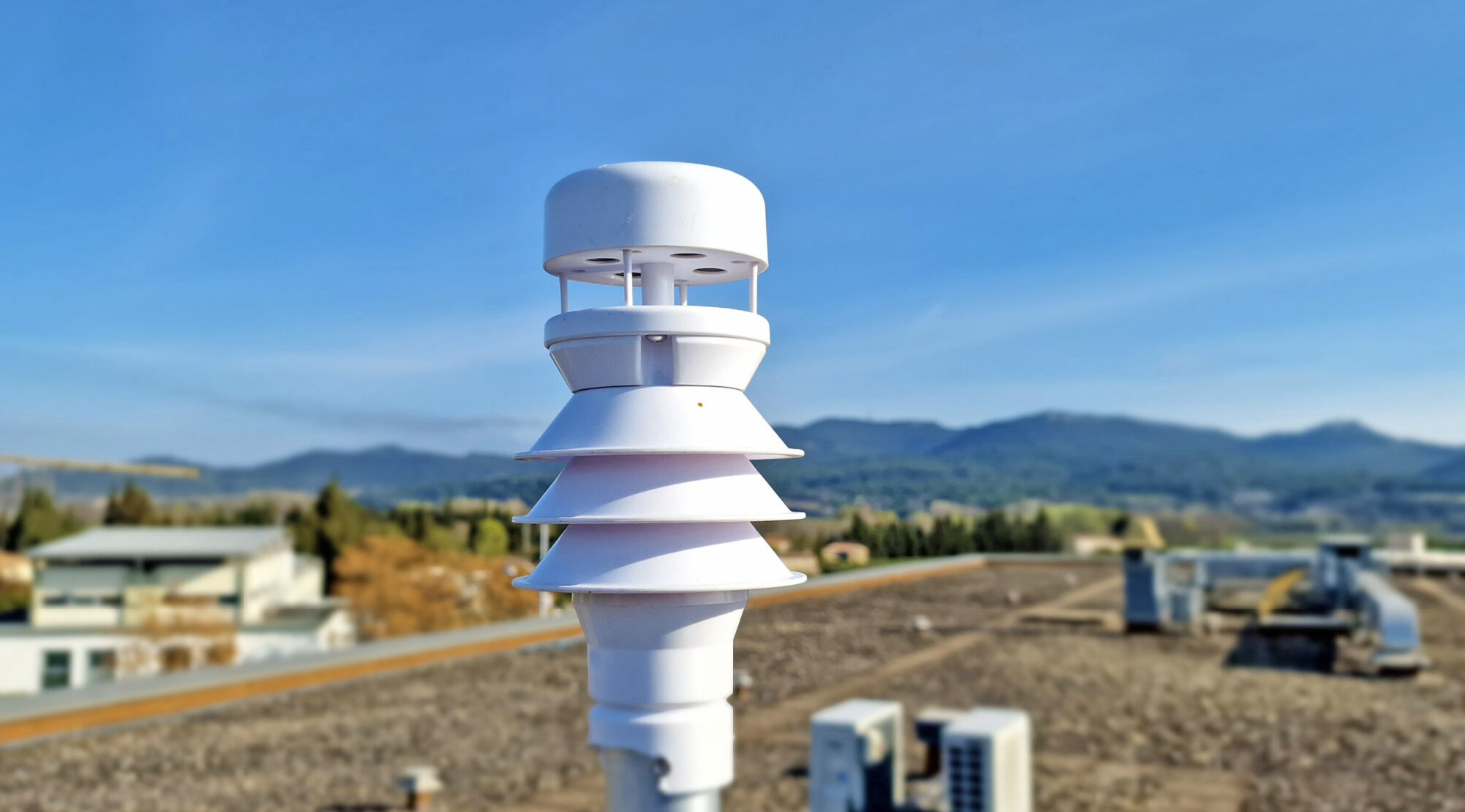
Pollen count measures the concentration of pollen grains per cubic meter of air, providing a quantifiable assessment of allergen exposure. When pollen counts are high, allergy sufferers commonly experience symptoms including sneezing, nasal congestion, itchy and watery eyes, coughing, wheezing, and asthma exacerbations. Denton's pollen data is tracked through automated monitoring systems including Pollen Sense sensors that use neural network algorithms to identify specific pollen species.
Key Pollen Types and Significant Allergen Trends in Denton
Denton residents face exposure to multiple high-impact allergens throughout the year, with the Dallas-Fort Worth area ranking among the top 20 cities nationwide for highest pollen counts and in the top 5 worst cities specifically for ragweed allergies. The most problematic pollen sources include mountain cedar during winter months, multiple oak species dominating spring, and ragweed creating severe fall allergy seasons with notably extended duration compared to most of the United States.
- Mountain Cedar (Ashe Juniper): The most notorious winter allergen, peaking in January and capable of traveling hundreds of miles on southwest winds, causing intense cedar fever symptoms
- Oak Species Pollen: Post oak, blackjack oak, live oak, red oak, and Shumard oak create very high pollen levels from March through May in Denton's Cross Timbers woodland environment
- Ragweed Pollen: Produces severe allergy symptoms from August through November with peak concentrations in September and October, contributing to DFW's top 5 ranking for worst ragweed allergies
- Bermuda Grass: Dominant warm-season lawn grass pollinating from April through September, creating sustained grass pollen exposure throughout summer months
Denton's location at the intersection of natural oak forest and extensive suburban landscaping compounds the natural pollen burden, while proximity to the Hill Country cedar line results in higher mountain cedar concentrations than eastern DFW suburbs. The region's hydrological features, including the Elm Fork of Trinity River and multiple creek floodplains, support elevated outdoor mold spore production, particularly Alternaria and Cladosporium species that peak during July and August heat and humidity.
Seasonal Pollen Patterns Throughout the Year
Denton experiences distinct pollen seasons with overlapping allergen exposure creating particularly challenging periods during spring and fall transitions.
- Winter (December to February): Dominated by mountain cedar pollen with very high concentrations peaking in January, followed by elm pollen emergence in late February
- Spring (March to May): Very high tree pollen from oak species, pecan, ash, and mulberry, with Bermuda grass and Johnson grass beginning in April, creating the worst overlap months
- Summer (June to September): Continued high grass pollen from Bermuda grass and Johnson grass, with outdoor mold spores peaking during July and August humidity
- Fall (August to November): High to very high ragweed pollen peaking in September and October, combined with fall elm pollen, creating severe multi-allergen exposure comparable to spring
Accessing Daily Pollen Data in Denton
The Pollen Count & Alerts App provides Denton residents with real-time pollen monitoring and accurate forecasts specific to local conditions. Track current concentrations of tree, grass, weed, and mold spores, and receive personalized alerts to plan outdoor activities during low-pollen periods. Stay informed about daily allergen levels to minimize exposure and manage symptoms effectively throughout all pollen seasons.
Effective Allergy Management Strategies for Denton Residents
Implementing targeted strategies can significantly reduce pollen exposure and alleviate allergy symptoms during Denton's challenging pollen seasons.
- Use the Pollen Count & Alerts App: Monitor real-time pollen levels and receive customized alerts to plan outdoor activities during low-pollen times and minimize allergen exposure
- Maintain Indoor Air Quality: Keep windows closed during high pollen days, particularly during peak morning hours when grass and weed pollen release is highest
- Install HEPA Air Purifiers: Use high-efficiency particulate air filters in bedrooms and main living areas to remove pollen, mold spores, and other airborne allergens from indoor environments
- Practice Personal Hygiene: Shower and wash hair before bed to remove pollen accumulated throughout the day, change clothes after outdoor activities, and avoid line-drying laundry outside
- Consult an Allergist: Seek professional evaluation at local specialty clinics such as North Texas Allergy & Asthma Center for testing, personalized treatment plans, and potential immunotherapy options
Pollen Count & Alerts App Features to Enhance Allergy Management
The Pollen Count & Alerts App offers comprehensive tools designed specifically to help Denton residents navigate the region's complex year-round pollen challenges.
- Real-Time Pollen Counts: Access the latest pollen data specific to Denton, including separate tracking for tree, grass, weed, and mold allergens throughout all seasons
- Customized Pollen Alerts: Receive personalized notifications based on your specific allergen sensitivities and threshold levels to stay informed about high-risk days
- Accurate Multi-Day Forecasts: Plan ahead with detailed pollen predictions for upcoming days, helping you schedule outdoor activities during optimal low-pollen windows
- Educational Allergen Content: Learn about specific pollen types prevalent in Denton, including mountain cedar, oak species, ragweed, and Bermuda grass, with seasonal timing information
- Intuitive User Interface: Navigate easily through comprehensive pollen data, historical trends, and allergy management resources designed for daily practical use


Learn More About Managing Your Seasonal Allergies
- Understanding Allergy Pollen Counts: Your Comprehensive Guide – Discover how to interpret pollen count levels and develop effective strategies to minimize your allergy symptoms throughout the year.
- Why Are My Allergies So Bad Right Now? | Pollen Count & Alerts App Blog – Understand the environmental and biological factors that can cause your allergies to suddenly intensify, even if you've never had severe reactions before.
- Do Allergies Get Worse as You Age? | Pollen Count & Alerts App Blog – Explore how your immune system and allergy sensitivities evolve as you age, and what you can do to adapt your management strategies accordingly.
Stay updated with the latest tips and insights by visiting the Alert Pollen Blog.
Pollen count in nearby cities
FAQ
When is pollen season in Denton, TX?
Pollen season in Denton, TX essentially lasts year-round, with the most severe periods occurring from December through February (mountain cedar), March through May (oak, elm, ash, and early grasses), and August through November (ragweed and fall elm). The worst months are typically April-May when tree and grass pollen overlap, and September-October when ragweed peaks alongside fall elm. Even summer months bring moderate-to-high grass pollen and mold spore levels, making Denton a challenging environment for allergy sufferers throughout the year.
What are the most common allergens in Denton, TX?
The most common allergens in Denton include mountain cedar (Juniperus ashei) which peaks in January, various oak species including post oak, blackjack oak, and live oak that dominate March through May, and ragweed (Ambrosia spp.) which becomes highly problematic from August through November with peak severity in September-October. Other significant allergens include pecan trees, elm species (both spring and fall varieties), Bermuda grass and Johnson grass from April through September, and outdoor molds like Alternaria and Cladosporium that peak during the humid summer months of July and August.
How can I use the Pollen Count & Alerts App to manage my allergies in Denton?
The Pollen Count & Alerts App provides real-time pollen monitoring specifically for Denton's unique allergen environment, allowing you to track mountain cedar, oak, ragweed, and grass levels throughout the year. By setting personalized alerts, you'll receive advance warnings before high pollen days so you can adjust outdoor activities, start preventive medications early, and keep windows closed during peak pollen periods. This proactive approach is especially valuable during Denton's worst overlap months of April-May and September-October when multiple allergen types combine to create severe conditions.
Final Thoughts
Living in Denton, TX means dealing with one of the most challenging pollen environments in North Texas, where allergens are present virtually year-round and peak seasons overlap to create periods of intense exposure. However, armed with knowledge about local pollen patterns and the right tools like the Pollen Count & Alerts App, you can take control of your allergy management and significantly reduce symptoms. Understanding when mountain cedar, oak, ragweed, and grasses peak allows you to plan ahead and protect your health.
Don't let Denton's pollen burden diminish your quality of life. Download the Pollen Count & Alerts App today to stay one step ahead of allergens and breathe easier throughout every season.
Take Control of Your Allergies Today
The Pollen Count & Alerts App delivers real-time pollen counts specific to Denton, personalized alerts tailored to your allergen sensitivities, and comprehensive forecasts that help you plan your days with confidence. Whether you're dealing with January's mountain cedar onslaught, spring's oak explosion, or fall's ragweed peak, our app keeps you informed and prepared. Download now and start managing your allergies proactively instead of reactively.