Cypress, Texas, located 27 miles northwest of downtown Houston in Harris County, experiences year-round allergen exposure due to its humid subtropical climate. The city's proximity to the Gulf Coast creates ideal conditions for continuous pollen production, dust mites, and mold spores. This guide covers the main pollen types, seasonal patterns, recent statistical trends, and practical strategies to help residents manage their allergies throughout the year.
Understanding Pollen Count in Cypress, TX
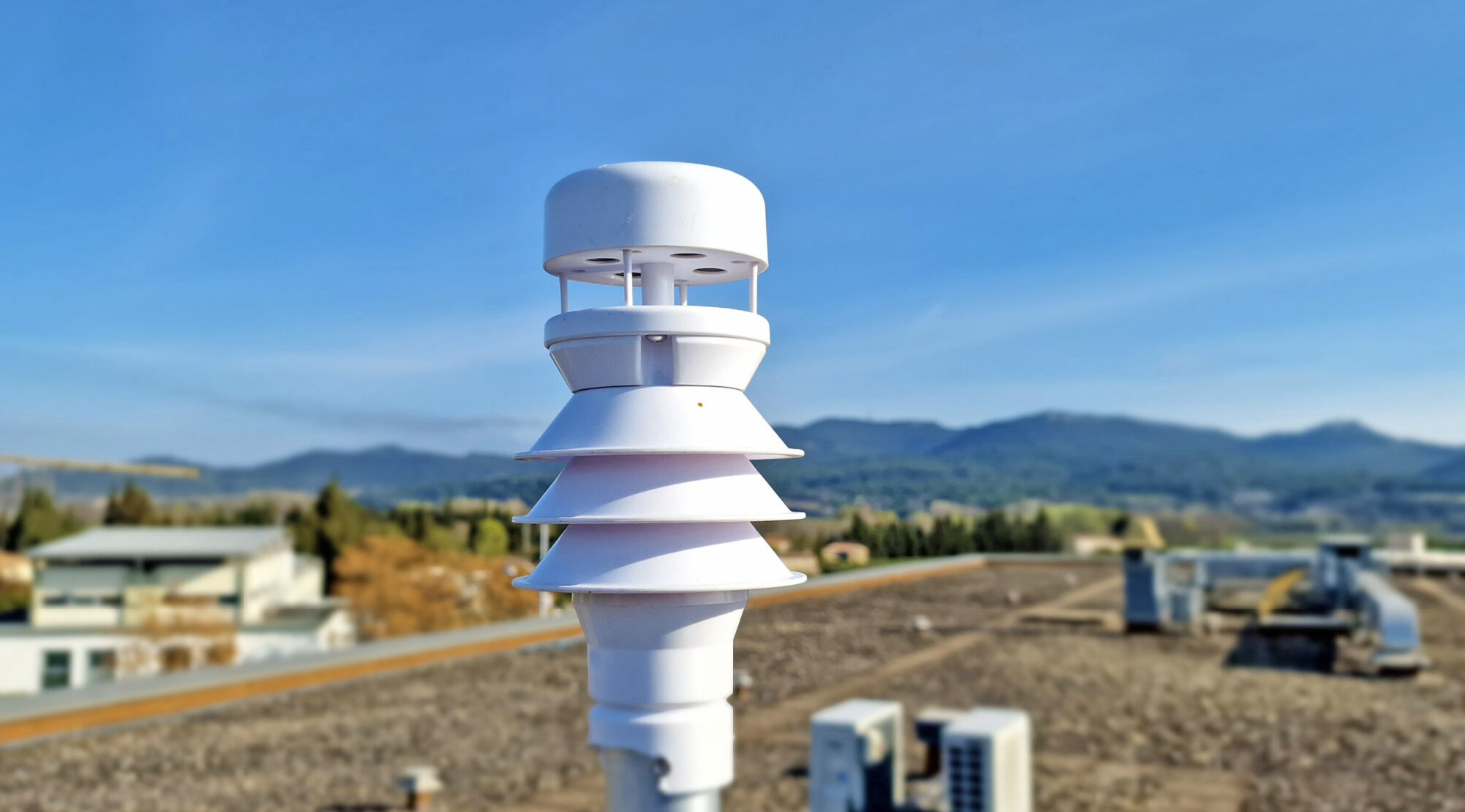
Pollen count measures the concentration of pollen grains per cubic meter of air, collected using specialized equipment like the Burkard Spore Trap operated by the Houston Health Department. When pollen counts reach medium to extremely heavy levels, allergy sufferers typically experience symptoms including sneezing, congestion, itchy and watery eyes, sinus pressure, and fatigue. Monitoring daily pollen data helps residents plan outdoor activities and manage medication schedules effectively.
Significant Pollen Trends in Cypress, TX
Research from Baylor College of Medicine reveals alarming increases in pollen levels over the past decade in the Houston area. Overall pollen counts have risen by approximately 10,000 grains per cubic meter, with the highest concentrations typically occurring in May, June, and September. These upward trends correlate directly with rising yearly average temperatures and climate change impacts on the region.
- Ragweed Pollen: Increased by approximately 1,900 grains per cubic meter over the last decade, with peak levels in September and October
- Elm and Cedar Elm Pollen: Surged by around 8,500 grains per cubic meter over a 10-year period, affecting both spring and fall seasons
- Mold Spores: October counts now measure 10,000 spores per cubic meter higher than 2013 levels due to increased humidity
- Mountain Cedar Pollen: Transported hundreds of miles from Texas Hill Country by winter cold fronts, causing severe cedar fever from December through February
Climate change continues to extend allergy seasons and increase pollen production throughout the region. The combination of rising temperatures, high humidity levels averaging 75% or higher, and aggressive year-round plant growth makes Cypress one of the most challenging areas in the United States for allergy sufferers.
Seasonal Pollen Patterns in Cypress, TX
Cypress experiences distinct seasonal allergen patterns throughout the year:
- Winter (December to February): Dominated by mountain cedar pollen with peak levels in mid-to-late January causing severe cedar fever symptoms
- Spring (March to May): Tree pollen season featuring oak peaking in late March to early April, followed by pecan, ash, elm, mulberry, and cottonwood through May
- Summer (April to August): Grass pollen from Bermuda, Timothy, Bahia, and Johnson grass peaks in April and continues at elevated levels throughout summer
- Fall (September to October): Ragweed pollen reaches peak concentrations during September and October, with fall-blooming elm contributing additional allergens
Access Daily Pollen Data for Cypress, TX
The Pollen Count & Alerts App provides residents of Cypress with real-time pollen monitoring specific to their location. Track daily levels of tree, grass, weed pollen, and mold spores to plan your outdoor activities during low-pollen periods. Receive customized alerts when allergen concentrations reach levels that may trigger your symptoms.
Effective Allergy Management Strategies for Cypress Residents
Implement these proven strategies to minimize allergy symptoms year-round:
- Use the Pollen Count & Alerts App: Monitor real-time pollen levels and receive alerts to plan outdoor activities during low-pollen times
- Improve Indoor Air Quality: Keep windows closed during high pollen days, use air conditioning with clean filters, and reduce indoor humidity to control dust mites and mold
- Practice Personal Hygiene: Shower and change clothes after outdoor exposure, wash hair before bed to remove pollen, and avoid touching your face
- Install HEPA Air Purifiers: Use high-efficiency particulate air filters in bedrooms and living areas to remove airborne allergens from indoor spaces
- Consult an Allergist: Seek professional evaluation for persistent symptoms, consider allergy testing, and explore treatment options including immunotherapy for long-term relief
App Features to Enhance Your Allergy Management
The Pollen Count & Alerts App delivers comprehensive tools designed specifically for allergy sufferers in Cypress:
- Real-Time Pollen Counts: Access the latest pollen data specific to Cypress and the greater Houston area with scientifically validated measurements
- Customized Allergy Alerts: Receive notifications when pollen levels for your specific allergens reach thresholds that may trigger symptoms
- Accurate Multi-Day Forecasts: Plan ahead with detailed pollen forecasts covering tree, grass, weed, and mold spore predictions for the coming days
- Educational Allergy Content: Learn about local allergen types, peak seasons, and evidence-based management strategies tailored to the Texas Gulf Coast region
- Intuitive User Interface: Navigate easily through pollen data, forecasts, and personalized settings with a clean, user-friendly design


Learn More About Managing Your Allergies
- Understanding Allergy Pollen Counts: Your Comprehensive Guide – Discover how to interpret pollen count levels and develop effective strategies for minimizing allergy symptoms throughout the year.
- Why Are My Allergies So Bad Right Now? | Pollen Count & Alerts App Blog – Understand the factors that can cause your allergies to suddenly worsen, including environmental changes and increased pollen production.
- Do Allergies Get Worse as You Age? | Pollen Count & Alerts App Blog – Learn how your allergic responses evolve over time and why symptoms may appear or intensify at different life stages.
Stay updated with the latest tips and insights by visiting the Alert Pollen Blog.
Pollen count in nearby cities
FAQ
When is pollen season in Cypress, TX?
Pollen season in Cypress, TX occurs year-round due to the humid subtropical climate, with particularly intense periods from December through May. Mountain cedar peaks in mid-to-late January causing severe cedar fever, followed immediately by oak pollen in late March to early April, and grass pollen peaking in April. Ragweed dominates the fall season from September through October, creating nearly continuous allergen exposure throughout the year.
What are the most common allergens in Cypress, TX?
The most common allergens in Cypress, TX include mountain cedar (December-February), oak species such as Live Oak and Red Oak (late March to early April), Bermuda and Johnson grass (peaking in April), and ragweed (September-October). Year-round allergens like dust mites and mold spores also thrive in the area's high humidity, with indoor allergens being as problematic as outdoor pollen. Research from Baylor College of Medicine shows pollen counts have increased by approximately 10,000 grains per cubic meter over the past decade.
How can I protect myself from pollen in Cypress, TX using the Pollen Count & Alerts App?
The Pollen Count & Alerts App provides real-time pollen forecasts specific to Cypress, TX, allowing you to plan outdoor activities during lower pollen periods and receive personalized alerts for your specific allergen triggers. By monitoring daily pollen counts from local sources like the Houston Health Department, you can take preventive medication before exposure and minimize time outdoors during peak pollen days. The app helps you stay ahead of allergen spikes during critical periods like cedar fever season and the cedar-to-oak transition.
Final Thoughts
Living with allergies in Cypress, TX presents unique challenges due to year-round pollen exposure and increasingly high allergen counts. However, with accurate information about local pollen patterns and the right tools like the Pollen Count & Alerts App, you can take control of your allergy symptoms and enjoy daily life more comfortably. Understanding when mountain cedar, oak, grass, and ragweed peak throughout the year empowers you to plan ahead and protect your health.
Download the Pollen Count & Alerts App today to receive personalized pollen forecasts and alerts tailored to Cypress, TX. Take the guesswork out of managing your allergies and breathe easier all year long.
Take Control of Your Allergies Today
The Pollen Count & Alerts App delivers real-time pollen counts, personalized alerts for your specific allergens, and comprehensive forecasts to help you navigate Cypress's challenging allergy seasons. Whether you're dealing with cedar fever in winter or ragweed in fall, our app keeps you informed and prepared. Download now and start experiencing relief from seasonal allergies.