Columbus, Ohio's humid continental climate creates ideal conditions for an extended allergy season spanning nearly nine months of the year. With abundant oak, maple, and birch trees throughout the city, plus widespread grasses and ragweed, Columbus consistently ranks among the top 40 most challenging U.S. cities for allergy sufferers. This guide provides essential information about pollen types, seasonal patterns, and practical strategies to help you navigate Columbus's pollen challenges throughout the year.
Understanding Pollen Count in Columbus
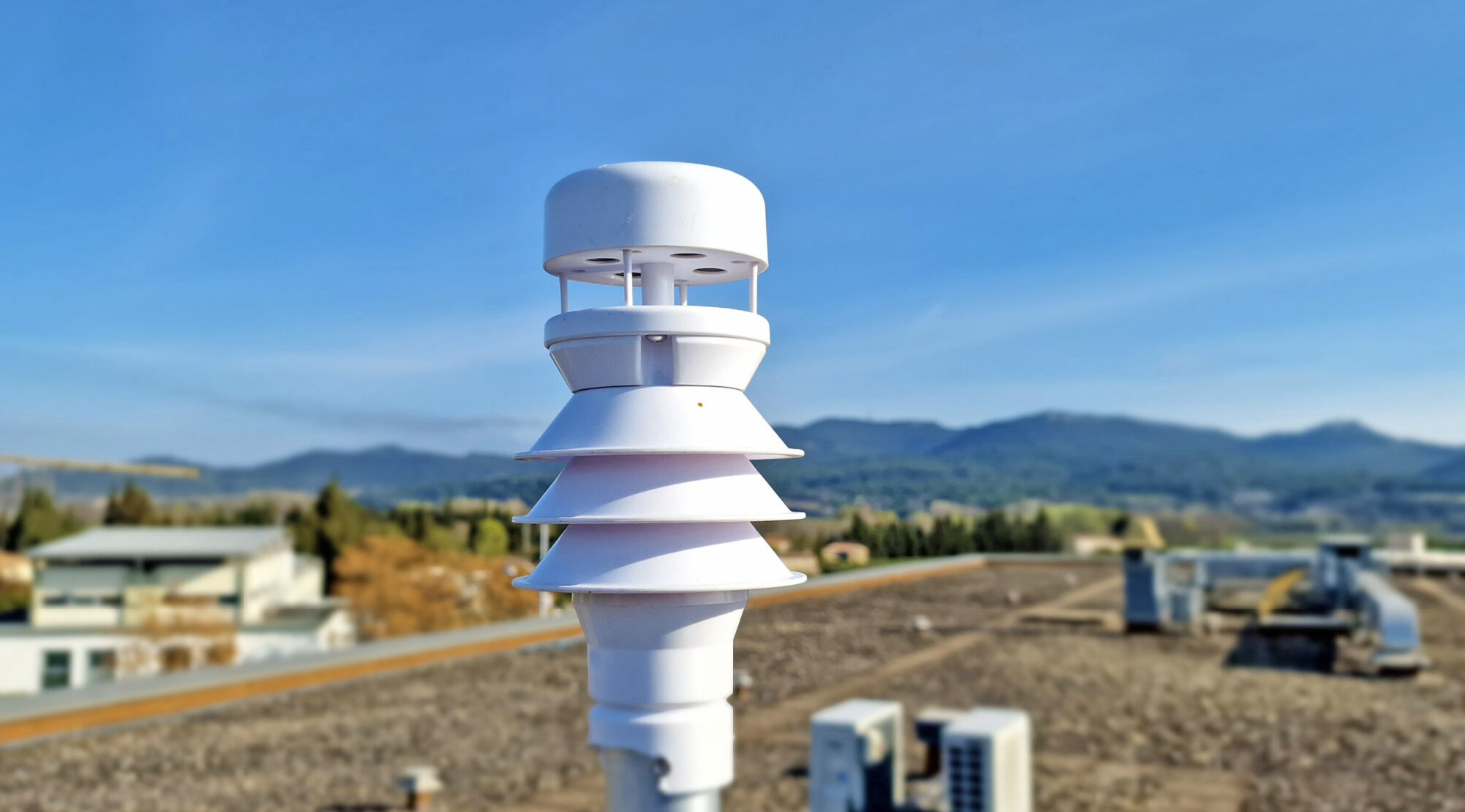
Pollen count measures the concentration of pollen grains per cubic meter of air, collected using automated particulate sensors throughout Columbus. When counts are high, allergy sufferers may experience symptoms including sneezing, runny nose, itchy eyes, congestion, and respiratory irritation. Columbus uses advanced Pollen Sense automated sensors with neural network algorithms to detect and identify individual pollen species, providing accurate real-time data for residents.
Key Pollen Types Affecting Columbus Residents
Columbus experiences three distinct waves of pollen allergens throughout the year, each dominated by different plant species. Climate change is significantly impacting these patterns, causing earlier season starts, later finishes, and increased pollen potency due to warmer temperatures and extended growing seasons.
- Tree Pollen: Dominates spring with oak, maple, and birch as primary contributors, peaking in April and causing the majority of spring allergies
- Grass Pollen: Kentucky bluegrass, timothy grass, and ryegrass create peak allergen levels in June, extending from mid-May through August
- Ragweed Pollen: The most common fall allergen, peaking in September and continuing until the first hard frost in November
- Mold Spores: Present year-round but increase during humid periods and after rainfall, contributing to respiratory symptoms
Urban Columbus areas generally experience lower pollen counts due to concrete concentration and limited green spaces, while neighborhoods near parks, wooded areas, and tree-lined streets face significantly higher localized pollen levels. Wind patterns play a critical role in pollen distribution, as pollen can travel long distances on windy days, affecting even areas with minimal vegetation.
Seasonal Pollen Patterns in Columbus
Columbus's allergy season spans from February through November, with distinct peak periods for different allergen types.
- Spring (February to June): Dominated by tree pollen from oak, maple, birch, ash, elm, hickory, walnut, and cottonwood, with April being the peak month
- Summer (May to August): Grass pollen from Kentucky bluegrass, timothy grass, ryegrass, and orchard grass peaks in June, creating the dominant summer allergen
- Fall (August to November): Ragweed dominates alongside pigweed, Russian thistle, and sorrel, with September experiencing the highest weed pollen counts
- Winter (December to January): The only reprieve from significant pollen, though mild winters may allow earlier spring pollen season starts
Access Daily Pollen Data for Columbus
The Pollen Count & Alerts App provides Columbus residents with real-time pollen monitoring specific to their location. Track tree, grass, weed, and mold spore levels throughout the day, with data updated regularly from local automated sensors. Receive personalized alerts when pollen counts spike, allowing you to plan outdoor activities during low-pollen periods and take preventive measures before symptoms start.
Effective Allergy Management Strategies for Columbus Residents
Taking proactive steps can significantly reduce allergy symptoms during Columbus's extended pollen season.
- Use the Pollen Count & Alerts App: Monitor real-time pollen levels and receive alerts to plan outdoor activities during low-pollen times, typically early morning or after rain
- Improve Indoor Air Quality: Keep windows closed during peak pollen hours (midday to early afternoon), use air conditioning with clean filters, and vacuum frequently
- Practice Personal Hygiene: Shower and wash hair before bed to remove pollen, change clothes after outdoor activities, and rinse nasal passages with saline solution
- Install HEPA Air Purifiers: Use high-efficiency particulate air filters in bedrooms and main living areas to remove airborne pollen and reduce nighttime symptoms
- Consult an Allergist: Seek professional evaluation for persistent symptoms, explore immunotherapy options, and develop a personalized treatment plan for Columbus's specific allergens
Pollen Count & Alerts App Features to Enhance Your Allergy Management
The Pollen Count & Alerts App offers comprehensive tools designed specifically to help Columbus residents manage their pollen allergies effectively.
- Real-Time Pollen Counts: Access the latest pollen data specific to Columbus, updated throughout the day from local automated sensors
- Customized Alerts: Receive personalized notifications when pollen levels rise for the specific allergens that affect you most
- Accurate Forecasts: View detailed 5-day and 30-day pollen forecasts to plan outdoor activities, travel, and medication timing
- Educational Content: Learn about specific pollen types, peak seasons, and evidence-based management strategies tailored to Columbus's climate
- Intuitive Design: Navigate easily through pollen data, historical trends, and symptom tracking with a user-friendly interface designed for daily use


Explore More About Managing Your Allergies
- Understanding Allergy Pollen Counts: Your Comprehensive Guide – Learn how to interpret pollen count levels and develop effective strategies to minimize allergy symptoms throughout the year.
- Why Are My Allergies So Bad Right Now? | Pollen Count & Alerts App Blog – Discover the environmental and biological factors that can cause your allergies to suddenly intensify or change over time.
- Do Allergies Get Worse as You Age? | Pollen Count & Alerts App Blog – Understand how your body's immune response to allergens evolves as you age and what to expect at different life stages.
Stay updated with the latest pollen information and allergy management tips by visiting the Alert Pollen Blog.
Pollen count in nearby cities
FAQ
When is pollen season in Columbus, OH?
Columbus experiences an extended pollen season that runs from February through November, spanning approximately 9 months of the year. The season has three distinct peaks: tree pollen dominates from February to June with April being the worst month, grass pollen peaks in June, and ragweed-dominated weed pollen creates severe fall allergies peaking in September. Climate change is causing pollen seasons to start earlier and last longer, with warmer temperatures accelerating pollen production and release.
What are the most common pollen allergens in Columbus, OH?
The most common allergens in Columbus vary by season. In spring, tree pollen from oak, maple, birch, ash, elm, and hickory dominates from March through May. During summer (May-August), grass pollen from Kentucky bluegrass, timothy grass, ryegrass, and orchard grass becomes the primary concern, peaking in June. Fall allergies (August-November) are driven primarily by ragweed, along with pigweed, Russian thistle, and marsh elder, with September being the peak month for weed pollen.
How can I reduce pollen exposure in Columbus and track daily pollen levels?
Stay informed by checking daily pollen forecasts through the Pollen Count & Alerts App, which provides real-time counts and personalized alerts for Columbus. During high pollen days, keep windows closed, shower after outdoor activities to remove pollen from hair and skin, and plan outdoor activities for early morning or after rain when pollen counts are typically lower. Urban areas generally have lower pollen concentrations than suburban neighborhoods near parks and tree-lined streets.
Final Thoughts
Living in Columbus means dealing with one of the longest pollen seasons in the country, but being informed gives you the power to take control of your allergy symptoms. With knowledge about when oak, grass, and ragweed pollen peak, you can plan ahead and minimize exposure during the most challenging months. The Pollen Count & Alerts App puts localized, real-time pollen data right at your fingertips, helping you make informed decisions every day.
Don't let allergies control your life in Columbus. Download the Pollen Count & Alerts App today and breathe easier all year long.
Take Control of Your Allergies Today
The Pollen Count & Alerts App delivers real-time pollen counts specific to Columbus, personalized alerts based on your sensitivities, and comprehensive forecasts so you can plan your days with confidence. Whether you're dealing with spring tree pollen, summer grasses, or fall ragweed, stay one step ahead with accurate, location-specific data. Download now and start managing your allergies more effectively.