Columbia, South Carolina, located in the state's Midlands region, experiences a humid subtropical climate that creates ideal conditions for pollen production. With one of the longest allergy seasons in the United States—spanning February through November—residents face exceptionally high pollen counts from trees, grasses, and weeds. This guide provides detailed information about Columbia's pollen types, seasonal patterns, recent trends, and effective strategies for managing allergies in this challenging environment.
Understanding Pollen Count in Columbia, SC
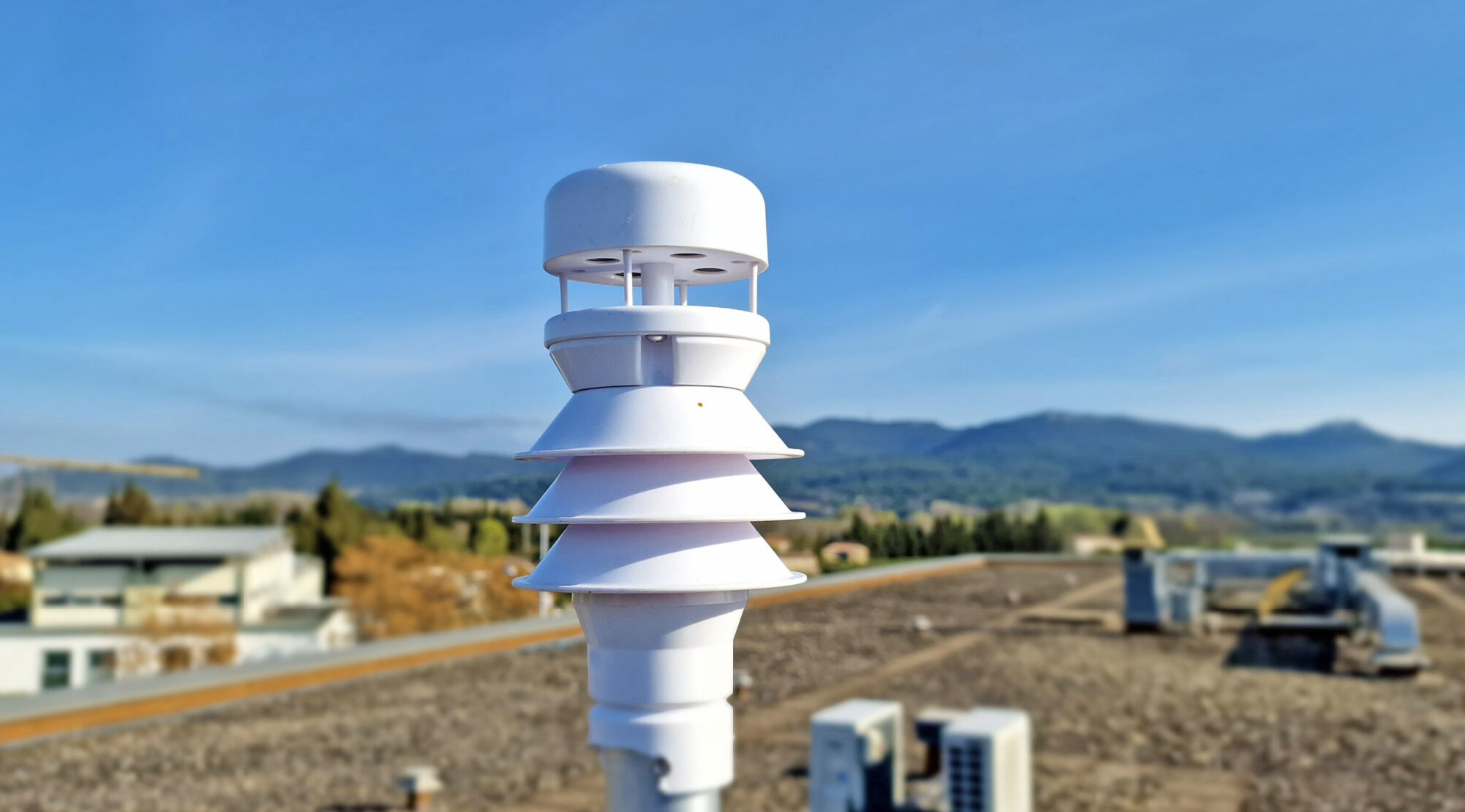
Pollen count measures the concentration of pollen grains per cubic meter of air (PPM), collected through automated particulate sensors operated by Pollen Sense, LLC. When pollen levels are high, individuals with allergies may experience sneezing, runny nose, itchy eyes, congestion, sinus pressure, and asthma exacerbation. Columbia frequently experiences extremely high pollen counts during peak seasons, particularly in April, June, and September.
Key Pollen Types and Recent Trends in Columbia
Columbia's allergy landscape is characterized by three major pollen categories that peak at different times throughout the extended nine-month allergy season. Recent monitoring data from March 2026 showed pollen reaching the highest levels of the year across South Carolina, with elm, juniper, and pine identified as primary contributors. Climate data reveals that Columbia has warmed by 3°F since 1970, resulting in 16 additional warmer-than-normal spring days annually, which extends the pollen season and increases pollen concentrations.
- Tree Pollen: Dominated by pine and oak species, creating the infamous yellow pollen blankets during a 2-3 week period in March-April, with peaks occurring from late March through early May
- Grass Pollen: Bermuda grass, ryegrass, and Bahia grass produce significant allergen levels from May through August, with June representing the peak month for grass pollen activity
- Ragweed Pollen: Common ragweed becomes the major fall allergen, with September representing the peak month for weed pollen across the Columbia area
- Mold Spores: The warm, humid subtropical climate creates year-round conditions favorable for mold growth, with particular increases during wet periods
The warming climate trend has intensified pollen production across all categories, with dry, warm, and windy days producing exceptionally high pollen counts. Columbia's mix of urban landscapes and surrounding pine forests creates abundant sources of allergenic pollen, particularly from native southern trees like oak, pine, and hickory that are prolific pollen producers.
Seasonal Pollen Patterns in Columbia, SC
Columbia experiences distinct pollen peaks across three seasons, with minimal respite:
- Spring (February to June): Dominated by tree pollen from pine, oak, juniper, birch, maple, hickory, ash, and elm, with peak levels occurring in March and April when yellow pine pollen visibly coats outdoor surfaces
- Summer (May to August): Characterized by grass pollen from Bermuda grass, ryegrass, Bahia grass, Johnson grass, and Timothy grass, with June experiencing peak grass pollen concentrations
- Fall (August to November): Marked by weed pollen, particularly common ragweed, marsh elder, and pigweed, with September representing the peak month for weed allergens before the season ends in late November
- Winter (December to January): Brief respite period with minimal pollen activity, providing the only significant relief for allergy sufferers in the Columbia area
Access Daily Pollen Data for Columbia, SC
The Pollen Count & Alerts App provides real-time pollen monitoring specifically for Columbia, tracking tree, grass, weed, and mold spore levels throughout the extended nine-month allergy season. With data collected from automated particulate sensors, you receive accurate, location-specific pollen counts and forecasts to help you plan your day. Stay informed about current conditions and upcoming pollen peaks to minimize your exposure and manage your symptoms effectively.
Effective Allergy Management Strategies for Columbia Residents
Managing allergies during Columbia's exceptionally long pollen season requires proactive strategies:
- Use the Pollen Count & Alerts App: Monitor real-time pollen levels and receive customized alerts to plan outdoor activities during low-pollen times and avoid peak exposure periods
- Improve Indoor Air Quality: Keep windows closed during high pollen days, particularly on dry, warm, and windy days when pollen dispersal is greatest, and run air conditioning with clean filters
- Practice Personal Hygiene: Shower and wash hair before bed to remove pollen accumulated throughout the day, change clothes after being outdoors, and avoid bringing allergens into your bedroom
- Install HEPA Air Purifiers: Use high-efficiency particulate air filters in bedrooms and main living areas to remove pollen, mold spores, and other allergens from indoor air
- Consult an Allergist: Seek professional evaluation for personalized treatment plans, immunotherapy options, and prescription medications to manage symptoms during the extended February-November allergy season
Pollen Count & Alerts App Features for Better Allergy Management
The Pollen Count & Alerts App offers comprehensive tools designed specifically for Columbia's challenging allergy environment:
- Real-Time Pollen Counts: Access the latest pollen data from automated sensors measuring tree, grass, weed, and mold spore concentrations specific to Columbia, SC
- Customized Alerts: Receive notifications when pollen levels rise to high or extremely high levels, allowing you to adjust your outdoor plans and medication schedule accordingly
- Accurate Forecasts: View 5-day pollen forecasts to plan ahead for peak allergy days, outdoor events, and activities during Columbia's extended nine-month allergy season
- Educational Content: Learn about specific allergens affecting Columbia, including pine, oak, ragweed, Bermuda grass, and local climate factors that influence pollen production
- Intuitive Design: Navigate easily through pollen data, historical trends, and personalized recommendations with a user-friendly interface designed for daily monitoring


Learn More About Managing Your Pollen Allergies
- Understanding Allergy Pollen Counts: Your Comprehensive Guide – Discover how to interpret pollen count levels and develop effective strategies to minimize your exposure throughout Columbia's extended allergy season.
- Why Are My Allergies So Bad Right Now? | Pollen Count & Alerts App Blog – Understand the factors that can cause your allergies to intensify suddenly, including climate change, cross-reactivity, and environmental triggers.
- Do Allergies Get Worse as You Age? | Pollen Count & Alerts App Blog – Explore how your body's response to allergens evolves over time and why you may develop new sensitivities as you age.
Stay updated with the latest tips and insights by visiting the Alert Pollen Blog.
Pollen count in nearby cities
FAQ
When is pollen season in Columbia, SC?
Columbia experiences one of the longest pollen seasons in the United States, running from February through November. Tree pollen peaks in March and April, grass pollen dominates in June, and ragweed reaches its highest levels in September. The warm, humid subtropical climate creates nearly year-round allergen exposure with only a brief winter respite in December and January.
What are the most common allergens in Columbia, SC?
The primary allergens in Columbia include pine, oak, hickory, juniper, and birch trees during spring (March-May), with pine producing the notorious yellow pollen that blankets the city. Summer brings Bermuda grass, ryegrass, and Bahia grass pollen peaking in June. Fall allergy sufferers face common ragweed, marsh elder, and mugwort, with ragweed reaching its peak in September and October.
How can I protect myself from Columbia's high pollen counts using the Pollen Count & Alerts App?
The Pollen Count & Alerts App provides real-time pollen monitoring specific to Columbia, allowing you to plan outdoor activities during lower pollen periods and receive personalized alerts when your specific allergens spike. By checking daily forecasts, you can take preventive antihistamines before high-count days and adjust your routine during the intense spring pine pollen season or fall ragweed peaks.
Final Thoughts
Living in Columbia, SC means navigating one of the nation's longest and most intense pollen seasons, but understanding the specific allergens and their timing empowers you to take control. With detailed knowledge of when pine, oak, grass, and ragweed peak, you can plan ahead and minimize your symptoms. The Pollen Count & Alerts App gives you the real-time data you need to make informed decisions about your daily activities.
Don't let Columbia's pollen keep you indoors—download the Pollen Count & Alerts App today and breathe easier all year long. Take charge of your allergy management with personalized alerts tailored to your specific sensitivities.
Take Control of Your Allergies Today
The Pollen Count & Alerts App delivers real-time pollen counts, personalized alerts for your specific allergens, and comprehensive 5-day forecasts for Columbia, SC. Stay one step ahead of tree, grass, and weed pollen with accurate, location-specific data that helps you plan your days with confidence. Download now and experience relief throughout Columbia's challenging allergy season.