Located in Northern California's Sacramento Valley, Chico experiences a uniquely challenging allergy environment due to its position between agricultural orchards and foothill chaparral ecosystems. The city's extensive tree canopy, combined with surrounding almond and walnut orchards, creates nearly year-round pollen exposure intensified by tule fog in winter and extreme heat in summer. This guide covers Chico's seasonal pollen patterns, dominant allergens including oak and mulberry, and practical strategies to manage allergies using real-time monitoring tools.
Understanding Pollen Count in Chico, CA
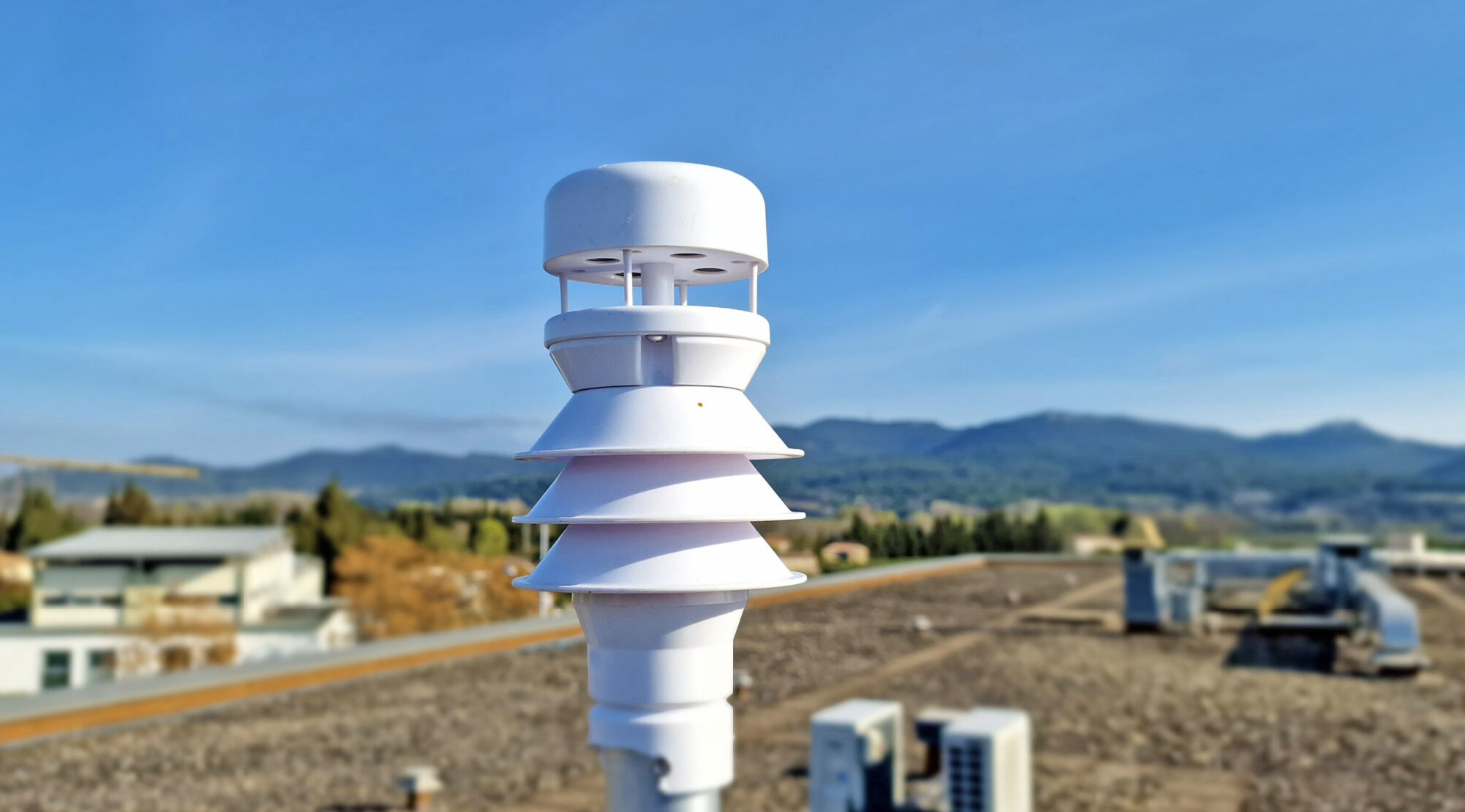
Pollen count measures the concentration of pollen grains per cubic meter of air, with measurements collected by automated particulate sensors using neural network algorithms to identify individual species. When pollen counts are high, allergy sufferers may experience sneezing, itchy eyes, nasal congestion, coughing, and respiratory discomfort. Daily counts fluctuate based on temperature, wind speed, and rainfall, making real-time monitoring essential for managing symptoms.
Key Pollen Types and Significant Allergens in Chico
Chico's allergen profile is dominated by three major categories that create overlapping allergy seasons throughout the year. Oak pollen from valley oak trees dominates spring, while mulberry trees planted extensively in housing developments compound the problem from late March through April. The surrounding Sacramento Valley almond belt produces early-season tree pollen starting in February, and Bermuda grass thrives in Chico's lawns, parks, and playing fields, peaking in May and June.
- Oak Pollen (Valley Oak): Dominates late March through May as the primary tree allergen, concentrated in Bidwell Park's dense lower park canopy
- Almond Pollen: Vast surrounding orchards produce early spring allergens from February through March in the northern Sacramento Valley almond belt
- Bermuda Grass Pollen: Dominant lawn and landscaping grass peaks May through June, continuing through summer on warm, windy days
- Ragweed & Star Thistle: Late summer and fall weed pollen from August until first frost, with invasive star thistle ubiquitous in Sacramento Valley foothills
Chico's designation as a Tree City USA for over 31 consecutive years reflects its dense urban tree canopy, which concentrates pollen in residential areas. Bidwell Park's 11-mile ecological gradient brings wildland allergens directly into the urban core, transitioning from valley oak and sycamore in lower elevations to foothill chaparral species. Tule fog from November through February traps allergens at ground level for extended periods, while recent wildfires including the 2018 Camp Fire and 2024 Park Fire compound respiratory issues with smoke and particulate matter.
Seasonal Pollen Patterns in Chico Throughout the Year
Chico's mild climate creates distinct seasonal pollen peaks that overlap to produce nearly year-round allergen exposure.
- Winter (December to February): Mold surges peak during tule fog events that trap moisture and allergens at ground level, with almond orchards beginning pollination in late February
- Spring (March to May): The worst allergy period, dominated by oak, mulberry, poplar, sycamore, walnut, and olive tree pollen from late March through April, followed by peak grass pollen in May
- Summer (June to August): Bermuda grass and ryegrass continue pollinating through warm, windy days with extreme heat frequently exceeding 100°F
- Fall (September to November): Weed pollen from ragweed, sagebrush, star thistle, mugwort, and pigweed dominates from August until first frost, transitioning to winter mold season
Access Daily Pollen Data for Chico with Our App
The Pollen Count & Alerts App provides real-time pollen monitoring specifically for Chico, tracking tree, grass, weed, and mold spore counts throughout the day. Receive customized alerts when pollen levels rise so you can plan outdoor activities during low-pollen periods and take preventive measures before symptoms develop. Stay informed with accurate, location-specific data drawn from automated particulate sensors that identify individual pollen species.
Effective Strategies for Managing Allergies in Chico
Implementing proactive allergy management strategies can significantly reduce symptoms during Chico's extended pollen seasons.
- Use the Pollen Count & Alerts App: Monitor real-time pollen levels and receive alerts to plan outdoor activities during low-pollen times, especially during March-April peak season
- Improve Indoor Air Quality: Keep windows closed during high pollen days, use air conditioning with clean filters, and run dehumidifiers during tule fog season to prevent mold growth
- Practice Personal Hygiene: Shower and wash hair before bed to remove pollen, change clothes after outdoor activities, and keep pets clean as they carry allergens indoors
- Install HEPA Air Purifiers: Use high-efficiency particulate air filters in bedrooms and main living areas to capture pollen, mold spores, and wildfire smoke particles
- Consult a Local Allergist: Visit specialists such as Northern California Allergy Medical Clinic at 145 Mission Ranch Blvd for personalized treatment plans, immunotherapy options, and allergy testing
App Features to Enhance Your Allergy Management in Chico
The Pollen Count & Alerts App offers comprehensive tools designed specifically to help Chico residents navigate the city's complex, year-round allergy challenges.
- Real-Time Pollen Counts: Access the latest pollen data specific to Chico using automated particulate sensor technology that identifies oak, grass, ragweed, and other local allergens
- Customized Pollen Alerts: Receive notifications when pollen levels for your specific allergens rise, allowing you to take preventive medication and adjust outdoor plans
- Accurate 5-Day Forecasts: Plan your week with detailed pollen predictions accounting for temperature, wind speed, and seasonal patterns unique to the Sacramento Valley
- Educational Allergen Content: Learn about Chico's dominant pollen types including valley oak, almond, mulberry, Bermuda grass, and star thistle with seasonal timing information
- Intuitive User Interface: Navigate easily between current conditions, forecasts, and historical data with a clean design optimized for quick daily checks


Explore More on Managing Seasonal Allergies
- Understanding Allergy Pollen Counts: Your Comprehensive Guide – Learn how to interpret daily pollen counts and develop effective strategies to minimize allergy symptoms throughout the year.
- Why Are My Allergies So Bad Right Now? | Pollen Count & Alerts App Blog – Discover the common triggers and environmental factors that can cause your allergies to suddenly intensify or develop new sensitivities.
- Do Allergies Get Worse as You Age? | Pollen Count & Alerts App Blog – Understand how your immune system and allergy responses evolve as you age, and why symptoms may improve or worsen over time.
Stay updated with the latest tips and insights by visiting the Alert Pollen Blog.
Pollen count in nearby cities
FAQ
When is pollen season in Chico, CA?
Pollen season in Chico is nearly year-round due to the mild climate, but the most severe period occurs from late March through April when oak, mulberry, poplar, and olive trees release high concentrations of pollen. Almond orchards begin the season as early as February, followed by grass pollen peaking in May-June, and weed pollen (ragweed, sagebrush, star thistle) dominating from late summer through the first frost. Even winter months see mold surges, especially when tule fog traps allergens at ground level.
What are the most common allergens in Chico, CA?
The most common allergens in Chico include oak (valley oak), mulberry, and walnut trees in spring (late March-May), Bermuda grass and ryegrass in late spring and summer (May-June), and ragweed, sagebrush, and star thistle weeds from late summer through fall. Almond orchards surrounding the city contribute significant pollen in February-March, while Chico's extensive urban tree canopy—including sycamore, poplar, olive, and the locally-originated "Chico" walnut variety—creates concentrated pollen exposure. Mold is a persistent year-round problem, particularly during tule fog season from November to February.
How can I protect myself from Chico's extended pollen season?
Monitor daily pollen counts using the Pollen Count & Alerts App to plan outdoor activities during low-pollen periods, typically after rain or on calm days. Keep windows closed during peak pollen hours (morning and windy days), shower after spending time in Bidwell Park or near agricultural areas, and consider using HEPA filters indoors. Since Chico experiences nearly continuous allergen exposure from February through fall, personalized pollen alerts can help you prepare for severe days and adjust medications accordingly.
Final Thoughts
Living in Chico means navigating one of California's most complex pollen environments, where agricultural orchards, urban tree canopy, and Bidwell Park's ecological diversity create nearly year-round allergen exposure. However, understanding the seasonal patterns—from February almond blooms to fall ragweed—empowers you to take control of your health. The Pollen Count & Alerts App provides the real-time data you need to anticipate severe pollen days and plan accordingly.
Don't let Chico's extended allergy season control your life. Download the Pollen Count & Alerts App today to receive personalized pollen forecasts and stay one step ahead of allergens.
Take Control of Your Allergies Today
The Pollen Count & Alerts App delivers real-time pollen counts specific to Chico, personalized alerts based on your sensitivities, and comprehensive 5-day forecasts so you can plan outdoor activities with confidence. Whether you're concerned about oak pollen in spring, Bermuda grass in summer, or tule fog-driven mold in winter, our app keeps you informed and prepared. Download now and breathe easier all year long.