Chandler, Arizona, located in the Sonoran Desert within Maricopa County, experiences a hot desert climate that creates unique pollen challenges. Contrary to the historical myth of Arizona being an allergy haven, Chandler ranks among the worst cities in America for allergies, with year-round pollen seasons extending from February through November. This guide covers the main pollen types affecting Chandler residents, seasonal patterns, daily monitoring resources, and practical strategies to manage allergies effectively throughout the year.
Understanding Pollen Count in Chandler
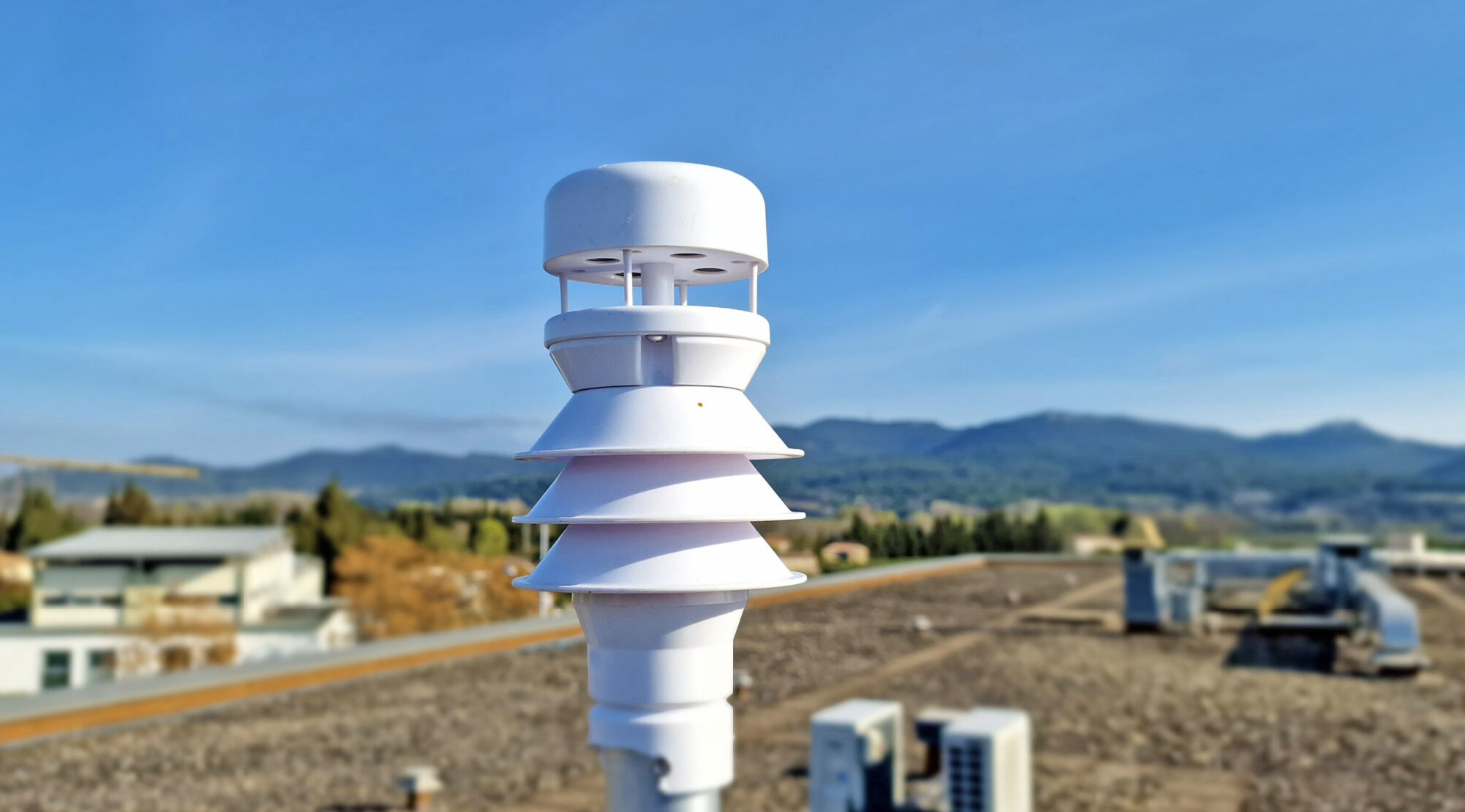
Pollen count measures the concentration of pollen grains per cubic meter of air, tracked by automated particulate sensors using neural network technology throughout the Phoenix metro area. When pollen levels are high, residents commonly experience nasal congestion, sneezing, itchy eyes, respiratory irritation exacerbated by dry desert air, and asthma flare-ups. Real-time monitoring helps you anticipate exposure and take preventive measures before symptoms begin.
Key Pollen Types and Allergen Trends in Chandler
Chandler experiences three major pollen seasons with distinct allergen profiles that affect residents throughout most of the year. Tree pollen dominates from February through May, with mesquite, juniper, oak, olive, and palo verde as primary contributors. Bermuda grass produces exceptionally high allergen levels from May through June, while ragweed, sagebrush, and Russian thistle drive the fall weed pollen season from September through October.
- Mesquite and Juniper Pollen: Peak from March through May, producing some of the highest allergen levels among Chandler tree species
- Bermuda Grass Pollen: Dominates late spring and early summer with exceptionally high concentrations due to year-round irrigation in urban areas
- Ragweed and Sagebrush Pollen: Drive the fall allergy season from September to October, compounded by dry conditions that keep pollen airborne longer
- Climate Change Impact: Warming winters and megadrought conditions are extending pollen seasons and increasing concentrations year over year
Arizona's mild climate eliminates the traditional winter dormancy period, allowing many plant species to continue producing pollen throughout the year. Urban development has significantly increased concentrations of allergenic ornamental trees like mulberry and olive, while irrigation systems support grass growth year-round. The combination of dust, particulates, and pollen creates a dual irritant effect unique to desert environments.
Seasonal Pollen Patterns Throughout the Year
Chandler experiences distinct pollen seasons that overlap throughout the year:
- Late Winter to Spring (February to May): Tree pollen dominates with pine, palo verde, juniper, mesquite, oak, olive, ash, mulberry, and cottonwood reaching peak levels in April and May
- Late Spring to Early Summer (May to June): Grass pollen season peaks with Bermuda grass producing the highest concentrations, along with buffalo grass, bahia grass, and Johnson grass
- Summer (July to August): Warm-season grasses continue at moderate levels while overall pollen counts decrease during the hottest months
- Fall (September to November): Weed pollen season peaks in September and October with ragweed, sagebrush, Russian thistle, and careless weed, tapering off by November
Access Daily Pollen Data for Chandler
The Pollen Count & Alerts App provides real-time pollen monitoring specifically for Chandler and surrounding areas, tracking tree, grass, weed, and mold spore levels throughout the day. Pollen counts are typically lowest from dawn to 9 AM and highest during late morning through afternoon, declining again around 5-6 PM. Use the app to plan outdoor activities during low-pollen windows and receive personalized alerts when levels spike.
Effective Allergy Management Strategies for Chandler Residents
Taking proactive steps can significantly reduce pollen exposure and allergy symptoms:
- Use the Pollen Count & Alerts App: Monitor real-time pollen levels and receive alerts to plan outdoor activities during low-pollen times, especially early morning hours
- Improve Indoor Air Quality: Keep windows closed during peak pollen hours from late morning through afternoon, and run air conditioning with clean filters
- Practice Personal Hygiene: Shower and change clothes after being outdoors to remove pollen from skin and hair, and rinse nasal passages with saline solution
- Install HEPA Air Purifiers: Use high-efficiency particulate air filters in bedrooms and main living areas to capture airborne pollen and desert dust particles
- Consult an Allergist: Seek professional evaluation for persistent symptoms, as immunotherapy and prescription medications can provide long-term relief for year-round desert allergies
App Features to Enhance Your Allergy Management
The Pollen Count & Alerts App offers comprehensive tools designed specifically for managing year-round pollen allergies:
- Real-Time Pollen Counts: Access the latest pollen data specific to Chandler with automated particulate sensor technology and neural network species identification
- Customized Alerts: Receive push notifications when pollen levels for your specific allergens reach high or very high concentrations
- Accurate 5-Day Forecasts: Plan your week ahead with reliable predictions for tree, grass, and weed pollen levels based on weather patterns and seasonal trends
- Educational Content: Learn about specific allergens like mesquite, Bermuda grass, and ragweed, plus understand how desert climate affects pollen dispersal
- Intuitive Design: Navigate easily between current conditions, daily patterns, and seasonal trends with a user-friendly interface optimized for quick reference


Explore More on Managing Seasonal Allergies
- Understanding Allergy Pollen Counts: Your Comprehensive Guide – Learn how to interpret pollen count levels and develop effective strategies to minimize your exposure to allergens throughout the year.
- Why Are My Allergies So Bad Right Now? | Pollen Count & Alerts App Blog – Discover the environmental and biological factors that can cause your allergy symptoms to intensify suddenly, even if you've never had severe allergies before.
- Do Allergies Get Worse as You Age? | Pollen Count & Alerts App Blog – Understand how your body's immune response to allergens evolves over time and why you may develop new sensitivities as you age.
Stay updated with the latest tips and insights by visiting the Alert Pollen Blog.
Pollen count in nearby cities
FAQ
When is pollen season in Chandler, AZ?
Unlike most regions, Chandler experiences year-round pollen allergies due to Arizona's mild climate and extended growing season. The primary peak seasons are tree pollen from February through May (with mesquite, olive, and oak being heaviest in March-May), grass pollen from May through June (dominated by Bermuda grass), and weed pollen from September through October (particularly ragweed and sagebrush). Overall, the most challenging months for allergy sufferers are April, May, and September.
What are the most common allergens in Chandler, AZ?
The most common pollen allergens in Chandler include tree pollen from mesquite (March-May peak), juniper/cedar (winter and early spring), olive (April-May), oak, mulberry, ash, and palo verde. Bermuda grass is the dominant grass allergen, producing exceptionally high allergen levels from May through June and continuing through summer due to year-round irrigation. Weed allergens include ragweed, sagebrush, Russian thistle (tumbleweed), and careless weed, with peak levels from September through October.
How can I protect myself from pollen in Chandler and use the app effectively?
Check the Pollen Count & Alerts App daily, especially during peak morning and afternoon hours when pollen levels are highest in Chandler's dry desert climate. Plan outdoor activities for early morning (before 9 AM) or evening (after 6 PM) when pollen counts are lower, and set personalized alerts for your specific allergen triggers like Bermuda grass or mesquite. Since Chandler's lack of rainfall allows pollen to remain airborne longer, keep windows closed on high pollen days and shower after outdoor activities to remove pollen from hair and skin.
Final Thoughts
Living in Chandler, AZ means facing year-round pollen challenges from mesquite, Bermuda grass, ragweed, and numerous other desert allergens. However, with the right information about peak seasons, daily pollen patterns, and local allergen types, you can take control of your allergy management. The Pollen Count & Alerts App provides the real-time data and personalized alerts you need to plan your days around Chandler's unique desert pollen environment.
Download the Pollen Count & Alerts App today to receive localized pollen forecasts, species-specific allergen tracking, and customized notifications that help you stay one step ahead of Chandler's extended allergy season.
Take Control of Your Allergies Today
The Pollen Count & Alerts App delivers real-time pollen counts specific to Chandler, personalized alerts based on your allergen triggers, and comprehensive 5-day forecasts so you can plan ahead. Don't let year-round desert pollen control your life—download the app now and breathe easier with accurate, actionable allergy information at your fingertips.