Bendigo, located in inland Victoria, experiences a temperate climate that supports significant pollen production throughout much of the year. The city's most challenging allergy season runs from October through December, when perennial ryegrass pollen reaches extreme levels and thunderstorm asthma risk peaks. This guide provides comprehensive information about Bendigo's pollen seasons, the types of allergens affecting residents, and practical strategies for managing allergies using the latest monitoring data from the newly installed automated station at Bendigo Health.
Understanding Pollen Count in Bendigo
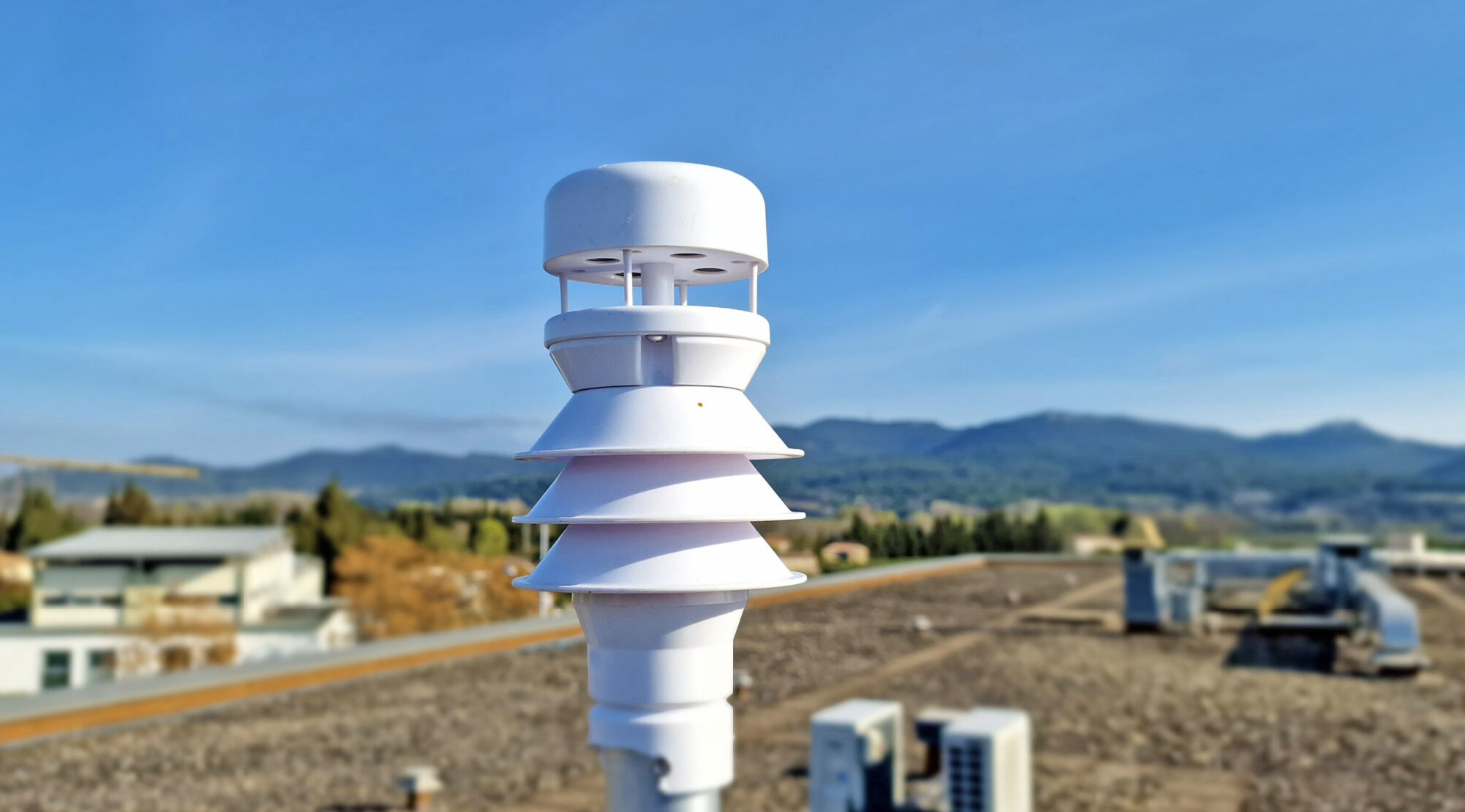
Pollen count measures the concentration of pollen grains per cubic meter of air, with readings categorized as low, moderate, high, or extreme. When pollen counts are high, sensitive individuals commonly experience sneezing, runny nose, itchy eyes, congestion, and breathing difficulties. Bendigo's automated monitoring station, installed in October 2025, provides real-time local data to help residents track exposure levels and plan their activities accordingly.
Key Pollen Types in Bendigo
Bendigo's pollen profile is dominated by introduced grass species, particularly perennial ryegrass, which triggers allergic reactions in over 90% of grass-sensitized individuals in the region. The 2024-2025 season is forecast to produce higher pollen levels than the previous year, with Melbourne experiencing a heavier-than-average grass pollen season in 2025. Understanding the specific allergens in your area is essential for effective allergy management.
- Perennial Ryegrass Pollen: The primary allergen affecting 40-46% of the Australian population, with extreme levels occurring from late October through December
- White Cypress Pine Pollen: The only Australian native tree producing highly allergenic pollen, peaking from late July through August
- Exotic Deciduous Tree Pollen: Birch, plane, elm, and alder pollen are more allergenic than native species, occurring from August to October
- Plantain and Paterson's Curse: Weed pollen with an extended season from August through May, contributing to year-round allergy symptoms
Climate change is extending Bendigo's pollen seasons through warmer temperatures and longer frost-free periods. Additional atmospheric CO₂ is also increasing the volume of pollen produced by plants, intensifying allergy symptoms for sensitive residents. Northerly winds during October to December carry pollen from inland grass pastures directly into Bendigo, elevating exposure levels during the peak grass pollen season.
Seasonal Pollen Patterns in Bendigo
Bendigo's pollen calendar varies significantly throughout the year, with distinct allergens dominating each season.
- Winter (June to August): White Cypress Pine pollen peaks in late July and August, while exotic deciduous trees begin pollinating toward the end of winter
- Spring (September to November): The peak allergy season begins in October with extreme grass pollen levels, particularly perennial ryegrass, continuing through November
- Summer (December to February): Grass pollen remains at extreme levels through December and early January, with weed pollen from plantain peaking during this period
- Autumn (March to May): Pollen levels decrease significantly, though plantain continues producing weed pollen through May, and Casuarina may cause symptoms
Access Daily Pollen Data for Bendigo
The Pollen Count & Alerts App provides real-time pollen monitoring specifically for Bendigo, utilizing data from the automated station at Bendigo Health. Track daily levels of tree, grass, weed, and mold spore counts to plan your outdoor activities during low-pollen periods. Receive customized alerts when pollen levels spike, giving you the information you need to protect your health throughout the changing seasons.
Effective Allergy Management Strategies
Managing pollen allergies in Bendigo requires a proactive approach combining technology, environmental controls, and personal care.
- Use the Pollen Count & Alerts App: Monitor real-time pollen levels and receive alerts to plan outdoor activities during low-pollen times
- Maintain Indoor Air Quality: Close doors and windows during high pollen days, especially during October to December, and turn off air conditioning that brings in outside air
- Practice Personal Hygiene: Shower and change clothes after outdoor exposure to remove pollen from skin and hair, preventing it from spreading indoors
- Install HEPA Air Purifiers: Use high-efficiency filters in bedrooms and living spaces to capture airborne pollen particles and improve indoor air quality
- Consult an Allergist: Seek professional diagnosis and treatment options, including immunotherapy, particularly if you're at risk for thunderstorm asthma during the October-December period
App Features to Enhance Your Allergy Management
The Pollen Count & Alerts App offers comprehensive tools designed specifically for managing allergies in Bendigo and throughout Australia.
- Real-Time Pollen Counts: Access the latest pollen data specific to Bendigo from the automated monitoring station at Bendigo Health
- Customized Alerts: Receive notifications when grass, tree, or weed pollen levels reach thresholds that trigger your symptoms
- Accurate 7-Day Forecasts: Plan your week with reliable predictions based on University of Melbourne research and Bureau of Meteorology weather data
- Educational Content: Learn about thunderstorm asthma risk, perennial ryegrass allergens, and seasonal patterns specific to Victoria
- Intuitive Design: Navigate easily between current conditions, forecasts, and historical trends with a user-friendly interface designed for daily use


Learn More About Managing Pollen Allergies
- Understanding Allergy Pollen Counts: Your Comprehensive Guide – Discover how to interpret pollen count levels and implement effective strategies to minimize your exposure during high pollen days.
- Why Are My Allergies So Bad Right Now? | Pollen Count & Alerts App Blog – Understand the factors that can cause your allergy symptoms to suddenly intensify, from weather changes to cross-reactivity with foods.
- Do Allergies Get Worse as You Age? | Pollen Count & Alerts App Blog – Explore how your body's immune response to allergens evolves throughout different life stages and what you can do to adapt.
Stay updated with the latest tips and insights by visiting the Alert Pollen Blog.
Pollen count in nearby cities
FAQ
When is pollen season in Bendigo?
Bendigo's main pollen season runs from October 1 to December 31, with peak grass pollen levels occurring from mid-October through December. The season begins earlier with tree pollen from white cypress pine in July-August, followed by the most intense allergy period driven by perennial ryegrass in late spring and early summer. Some weed pollens like plantain can cause symptoms from August through May.
What are the most common pollen allergens in Bendigo?
Perennial ryegrass is the dominant allergen in Bendigo, affecting over 90% of grass-sensitized individuals and peaking from October to December. Other significant allergens include white cypress pine (late July to August), couch grass (late spring to early summer), exotic deciduous trees like birch and plane (August to November), and weeds such as plantain and Paterson's curse. The temperate inland climate of Bendigo supports these introduced Northern Hemisphere grass species, making them more problematic than native Australian grasses.
How can I protect myself from thunderstorm asthma in Bendigo during pollen season?
During October to December, avoid being outdoors when thunderstorms approach on high pollen days, as storms can rupture grass pollen into tiny particles that penetrate deep into the lungs. Download the VicEmergency app for thunderstorm asthma alerts, keep windows and doors closed during storms, and follow your asthma action plan if you have one. The Pollen Count & Alerts App provides real-time local pollen data from Bendigo Health's monitoring station to help you plan ahead.
Final Thoughts
Living in Bendigo means navigating a significant grass pollen season each spring and summer, with the added concern of thunderstorm asthma during October through December. However, with the new automated monitoring station installed at Bendigo Health in 2025 and access to real-time local pollen data through the Pollen Count & Alerts App, you can stay informed and take proactive steps to manage your symptoms effectively.
Take control of your allergy management by downloading the Pollen Count & Alerts App today. With personalized alerts based on Bendigo's specific pollen conditions, you'll never be caught off guard during peak season.
Don't Let Pollen Catch You Unprepared
The Pollen Count & Alerts App delivers real-time pollen counts from Bendigo's monitoring station, personalized alerts tailored to your sensitivity levels, and comprehensive 7-day forecasts to help you plan your activities. Download now to breathe easier and enjoy outdoor life in Bendigo, even during peak pollen season.