Ballarat, located in Victoria's Central Highlands at 430 meters elevation, experiences a continental climate with cold winters and warm summers. The city's unique geography—spanning the Victorian Volcanic Plain and Central Victorian Uplands—creates a basin effect that can trap and concentrate airborne pollen. Ballarat faces significant pollen challenges, particularly from introduced grass species like ryegrass during spring and summer, and is at risk for life-threatening thunderstorm asthma events. This guide covers the main pollen types, seasonal patterns, local monitoring resources, and effective strategies to manage allergies in Ballarat.
Understanding Pollen Count in Ballarat
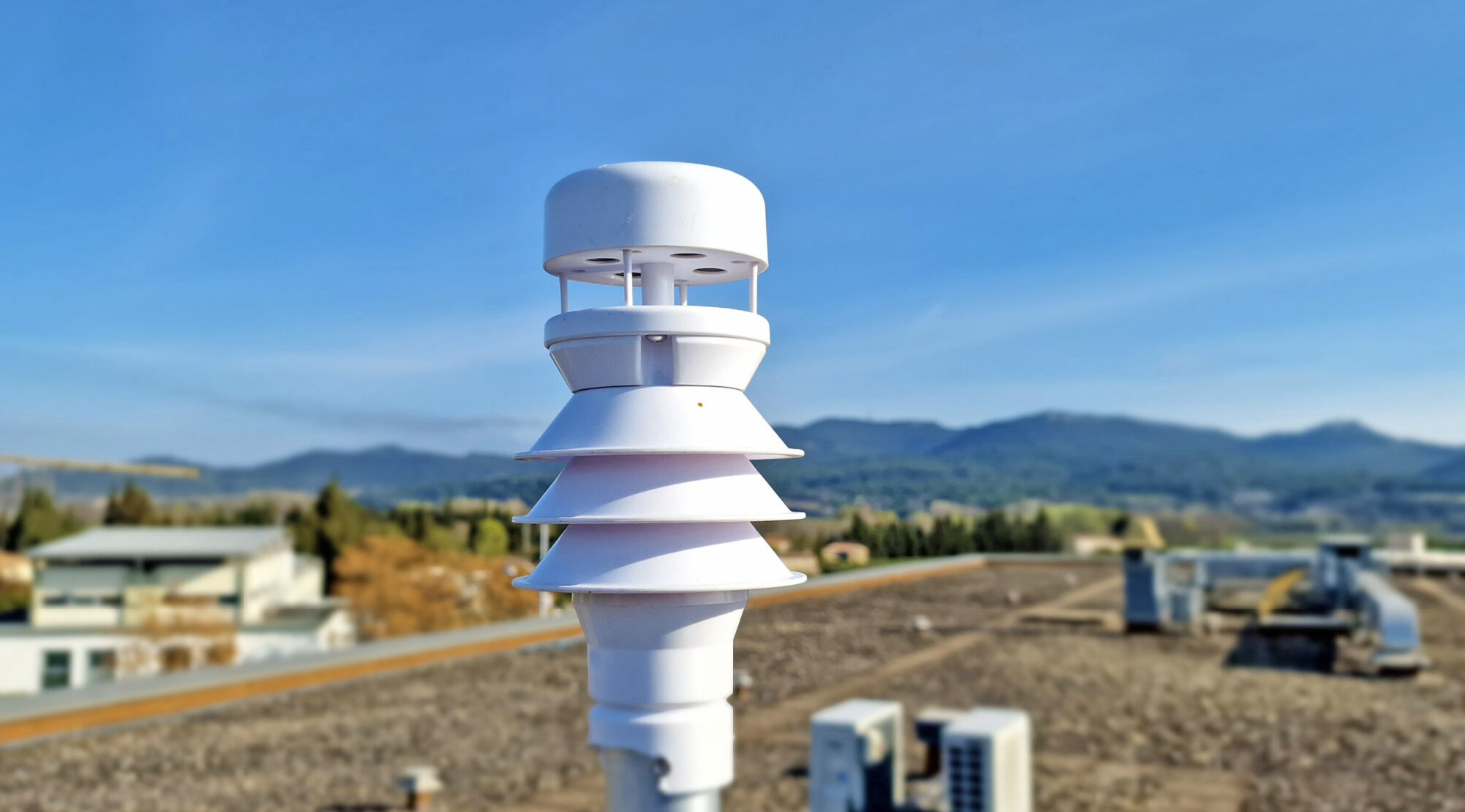
Pollen count measures the concentration of pollen grains per cubic meter of air over a 24-hour period. When pollen counts are high, allergy sufferers may experience sneezing, nasal congestion, itchy and watery eyes, throat irritation, and respiratory difficulties. Ballarat's monitoring infrastructure includes automated pollen counters that provide accurate, real-time data to help residents plan their activities and manage symptoms.
Key Pollen Types Affecting Ballarat Residents
Ballarat's pollen landscape is dominated by introduced Northern Hemisphere species, with ryegrass being the single most allergenic concern. Trees account for approximately 62% of annual pollen counts in Victoria, while grasses—despite representing only 20% of total pollen—cause the most severe allergic reactions. Recent monitoring data from the Creswick station shows that December can experience up to 23 extreme pollen days, making it the peak month for grass pollen exposure in the Ballarat region.
- Ryegrass (Lolium perenne): The dominant allergenic grass in Victoria, responsible for most hay fever and thunderstorm asthma cases during October to December
- Cypress Pine: Major tree allergen peaking from late July through August, accounting for significant winter pollen exposure
- Plane Trees: Widely planted ornamental species causing hay fever and bronchial asthma from August to October
- Pellitory (Asthma Weed): Urban weed present year-round in Ballarat, causing conjunctivitis and respiratory symptoms
Climate change and extended spring rainfall are contributing to more intense grass growth, leading to higher ryegrass pollen production. Globally, allergy seasons are starting up to three weeks earlier than historical norms, a trend observable in Ballarat's monitoring data. The city's extensive agricultural surroundings and introduced grass species create persistently high pollen exposure throughout the official grass pollen season from October 1 to December 31.
Seasonal Pollen Patterns in Ballarat
Ballarat's pollen calendar follows distinct seasonal patterns, with approximately 70% of total annual pollen occurring during spring and summer.
- Late Winter (July to August): Dominated by Cypress Pine pollen, with peak flowering from late July through the end of August
- Early Spring (August to October): Tree pollen season featuring Elm and Plane Trees, with peak levels occurring in late winter and early spring months
- Spring to Summer (October to December): Official grass pollen season with ryegrass dominating; October has lower counts, while November and December experience extreme pollen days with the highest levels recorded in December
- Extended Seasons (Year-Round): Weeds like Plantain flower from August to May, Paterson's Curse from September to January, and Pellitory persists year-round in urban areas
Access Daily Pollen Data for Ballarat
The Pollen Count & Alerts App provides Ballarat residents with real-time pollen monitoring specific to their location. Track daily counts for tree, grass, weed, and mold spores, with data sourced from the Victorian Thunderstorm Asthma Pollen Surveillance network's automated counter located at Grampians Health Ballarat. Receive timely alerts during high pollen days and thunderstorm asthma risk periods to protect your health and plan outdoor activities safely.
Effective Strategies for Managing Pollen Allergies in Ballarat
Implementing proactive measures can significantly reduce pollen exposure and alleviate allergy symptoms.
- Use the Pollen Count & Alerts App: Monitor real-time pollen levels and receive alerts to plan outdoor activities during low-pollen times, especially during the critical October to December grass pollen season
- Improve Indoor Air Quality: Keep windows closed during high pollen days, particularly during the dangerous pre-storm windy period when thunderstorm asthma risk is highest
- Practice Personal Hygiene: Shower and change clothes after being outdoors to remove pollen from hair and skin, preventing indoor contamination
- Install HEPA Air Purifiers: Use high-efficiency particulate air filters in bedrooms and living spaces to capture airborne pollen grains and reduce indoor allergen levels
- Consult an Allergist: Seek professional medical advice for personalized treatment plans, asthma action plans, and immunotherapy options, especially if you have both hay fever and asthma
Enhance Your Allergy Management with the Pollen Count & Alerts App
The Pollen Count & Alerts App offers comprehensive features designed specifically to help Ballarat residents manage their pollen allergies effectively.
- Real-Time Pollen Counts: Access the latest pollen data specific to Ballarat from the VicTAPS monitoring network, including grass, tree, and weed pollen levels
- Customized Alerts: Receive personalized notifications when pollen levels are high or when thunderstorm asthma risk is elevated in your area
- Accurate 3-Day Forecasts: Plan ahead with reliable pollen forecasts that help you schedule outdoor activities during safer low-pollen periods
- Educational Content: Learn about ryegrass, cypress, plane tree, and weed pollens affecting Ballarat, plus thunderstorm asthma preparedness strategies
- Intuitive User Interface: Navigate easily through pollen data, historical trends, and seasonal calendars designed for quick access to critical health information


Learn More About Managing Pollen Allergies
- Understanding Allergy Pollen Counts: Your Comprehensive Guide – Discover how pollen counts are measured and learn practical strategies to reduce your exposure to airborne allergens throughout the season.
- Why Are My Allergies So Bad Right Now? | Pollen Count & Alerts App Blog – Understand the factors that can cause your allergy symptoms to intensify suddenly, from weather changes to environmental triggers.
- Do Allergies Get Worse as You Age? | Pollen Count & Alerts App Blog – Explore how your body's allergic responses evolve over time and why you may develop new sensitivities or experience relief as you age.
Stay updated with the latest tips and insights by visiting the Alert Pollen Blog.
Pollen count in nearby cities
FAQ
When is pollen season in Ballarat?
Ballarat's main pollen season runs from October to December, with grass pollen (especially ryegrass) peaking during November and December when extreme pollen days are most frequent. Tree pollens from cypress pine, elm, and plane trees appear earlier from July through October, while some weeds like plantain can produce pollen from August through May.
What are the most common allergens in Ballarat?
Ryegrass is the dominant allergen in Ballarat and throughout Victoria, responsible for the majority of allergic reactions during the October-December grass pollen season. Other significant allergens include cypress pine (peaking July-August), elm and plane trees (August-October), and weeds such as plantain, Paterson's curse, and pellitory which can trigger symptoms across extended periods.
How can I protect myself from thunderstorm asthma in Ballarat?
During the grass pollen season from October to December, check the Victorian Department of Health's daily thunderstorm asthma forecast and the Pollen Count & Alerts App for real-time warnings. If a thunderstorm is forecast on a high pollen day, stay indoors with windows closed during the windy period before the rain starts, ensure your asthma medication is up to date, and avoid being outdoors especially if you have both asthma and hay fever.
Final Thoughts
Living in Ballarat means navigating unique pollen challenges, from intense grass pollen seasons to the serious risk of thunderstorm asthma events. However, with accurate information from local monitoring stations and tools like the Pollen Count & Alerts App, you can stay informed and take proactive steps to protect your health throughout the year.
Download the Pollen Count & Alerts App today to receive personalized alerts based on Ballarat's real-time pollen data and never be caught off guard by high pollen days again.
Take Control of Your Allergy Management Today
The Pollen Count & Alerts App provides real-time pollen counts specific to Ballarat, personalized alerts tailored to your sensitivities, and comprehensive forecasts to help you plan your days with confidence. With data from the VicTAPS monitoring network and the University of Melbourne, you'll have the most accurate information at your fingertips to manage your allergies effectively.