Bakersfield, located in California's San Joaquin Valley, experiences a hot Mediterranean climate ideal for allergenic plant growth. The valley's geography traps pollen near ground level, creating sustained high allergen exposure nearly year-round. This guide covers the main pollen types, seasonal patterns, recent alarming trends including Bakersfield's #2 national ranking for weed pollen, and practical strategies to protect your health.
Understanding Pollen Count in Bakersfield
Pollen count measures the concentration of pollen grains per cubic meter of air, with levels in Bakersfield reaching up to 27 grains per cubic meter during peak seasons. High pollen counts trigger allergic rhinitis symptoms including sneezing, nasal congestion, itchy eyes, sinus pressure, and can exacerbate asthma, particularly dangerous given that 22% of Kern County children have been diagnosed with asthma. Understanding daily pollen levels helps you plan outdoor activities and take preventive measures during high-exposure periods.
Key Pollen Types and Alarming Recent Trends
Bakersfield ranks #2 in the nation for weed pollen exposure according to the 2025 AAFA Allergy Capitals Report, reflecting a dramatic "grass and weed pollen explosion" driven by wet weather in 2024 followed by extended warm temperatures. The San Joaquin Valley's basin geography traps allergens, causing sustained high counts across three overlapping pollen seasons that affect residents nearly year-round.
- Tree Pollen (Oak, Mulberry, Olive): Dominates March through April with oak as the most widespread allergen, while agricultural olive groves and ornamental mulberry trees contribute heavily to peak spring counts
- Grass Pollen (Bermuda Grass): The dominant summer allergen peaking June through July, with Bermuda grass thriving in Bakersfield's hot climate and sustained by extensive irrigation of lawns and parks
- Weed Pollen (Ragweed, Russian Thistle): Primary fall allergen from August through November, with ragweed and sagebrush driving Bakersfield's #2 national ranking for weed pollen exposure in 2025
- Agricultural Pollen Impact: Kern County's massive agricultural landscape including almond orchards, walnut groves, and citrus farms adds significant regional pollen loads beyond typical urban sources
The combination of Bakersfield's valley trapping effect, Mediterranean climate extending growing seasons, and recent wet-dry weather cycles has created exceptional pollen challenges. Eight California cities including Bakersfield made dramatic ranking jumps in 2025, with wet 2024 weather feeding explosive plant growth followed by prolonged warm temperatures that stretched pollen seasons far beyond normal ranges.
Seasonal Pollen Patterns in Bakersfield
Bakersfield experiences three overlapping pollen seasons creating nearly year-round allergen exposure during warm months.
- Winter to Spring (February to April): Peak tree pollen season with oak, maple, willow, cypress, mulberry, olive, and walnut dominating, reaching highest levels in March and April
- Late Spring to Summer (May to September): Grass pollen season peaks in June and July with Bermuda grass, ryegrass, Timothy grass, and Kentucky bluegrass producing the highest summer counts, often extending into fall
- Late Summer to Fall (August to November): Weed pollen season dominated by ragweed, mugwort, Russian thistle, pigweed, and sagebrush, with peak levels in September through November contributing to Bakersfield's #2 national weed pollen ranking
- Year-Round Considerations: Overlapping seasons and extended warm temperatures mean sensitive individuals face pollen exposure nearly continuously, with early morning hours (5 AM to 10 AM) producing the highest daily concentrations
Access Daily Pollen Data for Bakersfield
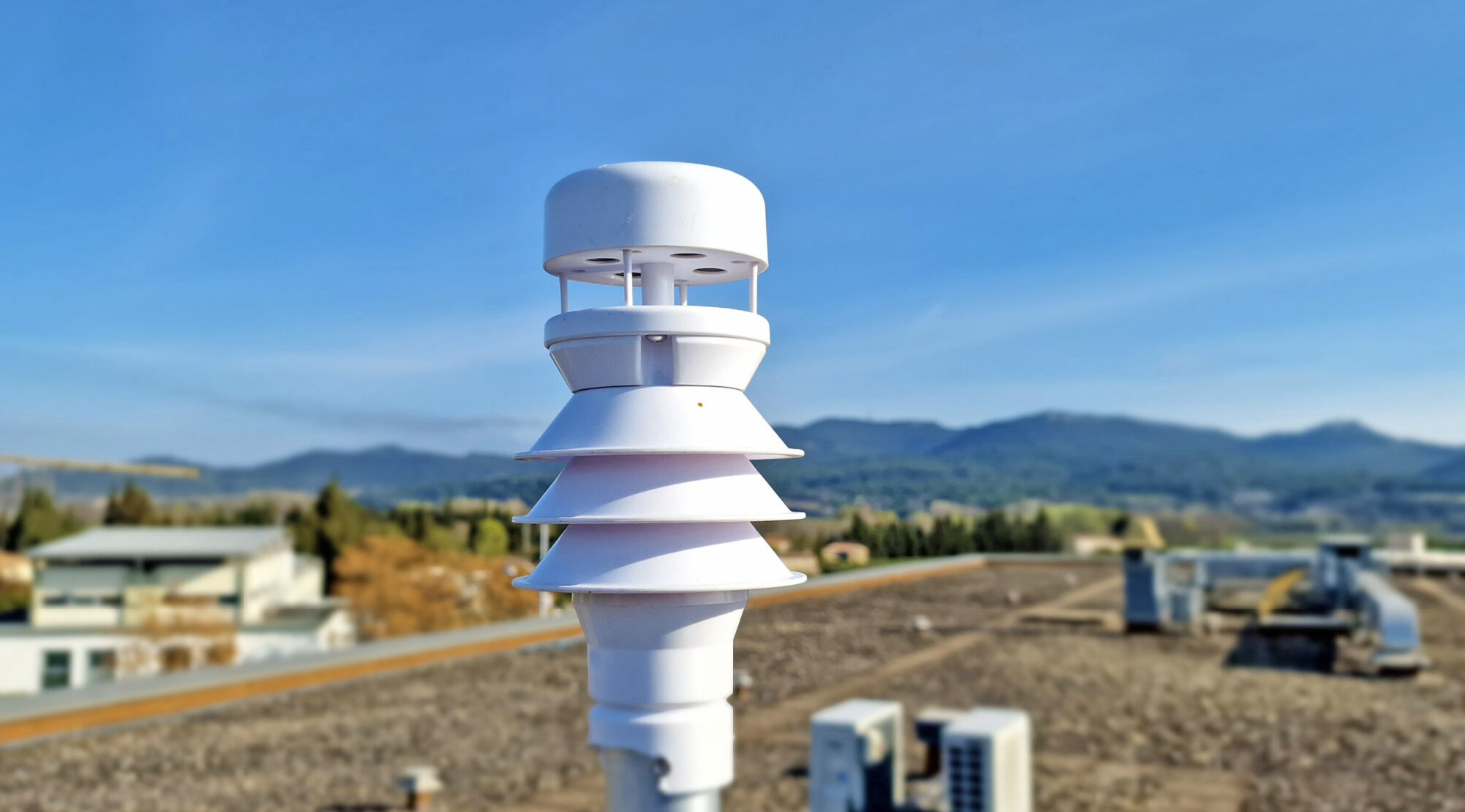
The Pollen Count & Alerts App provides real-time pollen monitoring specifically for Bakersfield, tracking tree, grass, weed, and mold spore levels throughout the day. With neural network-powered sensors deployed across the region, you receive accurate daily counts and forecasts to plan your activities during low-pollen windows. Stay informed with location-specific data that accounts for Bakersfield's unique valley geography and agricultural pollen sources.
Effective Allergy Management Strategies for Bakersfield Residents
Protecting yourself from Bakersfield's severe pollen exposure requires proactive strategies tailored to the valley's unique challenges.
- Use the Pollen Count & Alerts App: Monitor real-time pollen levels and receive customized alerts to plan outdoor activities during low-pollen periods, especially avoiding early morning hours when counts peak
- Maintain Indoor Air Quality: Keep windows closed during high pollen days, run air conditioning with clean filters, and create a pollen-free sanctuary inside your home to reduce exposure
- Install HEPA Air Purifiers: Use high-efficiency particulate air purifiers in bedrooms and main living areas to capture pollen grains and other allergens, especially important given Bakersfield's worst-in-nation air quality combining pollen with pollution
- Practice Personal Hygiene: Shower and wash hair before bed to remove pollen collected outdoors, change clothes after being outside, and rinse nasal passages with saline solution to clear allergens
- Consult a Board-Certified Allergist: Given Bakersfield's #2 national ranking for weed pollen and high asthma rates, professional allergy testing and treatment including immunotherapy can provide long-term relief for severe sufferers
App Features to Enhance Your Allergy Management
The Pollen Count & Alerts App offers comprehensive tools designed specifically to help Bakersfield residents navigate the region's severe pollen challenges.
- Real-Time Pollen Counts: Access the latest pollen data specific to Bakersfield using neural network-powered sensors that identify individual tree, grass, and weed species concentrations
- Customized Pollen Alerts: Receive personalized notifications when pollen levels for your specific allergens reach high or very high thresholds, allowing you to take preventive action before symptoms start
- Accurate 5-Day Forecasts: Plan your week with detailed pollen forecasts accounting for Bakersfield's valley geography, weather patterns, and seasonal trends unique to the San Joaquin Valley
- Educational Allergy Content: Learn about specific allergens affecting Bakersfield including oak, Bermuda grass, and ragweed, with expert guidance on managing symptoms during peak exposure periods
- Intuitive User-Friendly Design: Navigate easily between real-time counts, forecasts, and alerts with a clean interface designed for quick daily checks before outdoor activities


Explore More on Managing Seasonal Allergies
- Understanding Allergy Pollen Counts: Your Comprehensive Guide – Learn how to interpret pollen count levels and develop effective strategies to minimize allergy symptoms throughout the year.
- Why Are My Allergies So Bad Right Now? | Pollen Count & Alerts App Blog – Discover the factors that can cause your allergies to suddenly intensify, including weather patterns and environmental changes.
- Do Allergies Get Worse as You Age? | Pollen Count & Alerts App Blog – Understand how your body's allergic responses evolve over time and what to expect as you age.
Stay updated with the latest tips and insights by visiting the Alert Pollen Blog.
Pollen count in nearby cities
FAQ
When is pollen season in Bakersfield, CA?
Bakersfield experiences nearly year-round pollen exposure during warm months, with three overlapping seasons. Tree pollen peaks from March through April, featuring oak, mulberry, olive, and walnut. Grass pollen, dominated by Bermuda grass, reaches its highest levels from June through July. Weed pollen, including ragweed and Russian thistle, peaks from September through November, though the warm climate extends all seasons beyond typical ranges.
What are the most common allergens in Bakersfield, CA?
Bakersfield's top allergens include oak, mulberry, olive, and walnut trees during spring, with agricultural orchards adding almond, pistachio, and citrus pollen. Bermuda grass is the dominant summer allergen, thriving in the hot climate along with ryegrass and Timothy grass. Fall brings ragweed, Russian thistle (tumbleweed), pigweed, and sagebrush. The San Joaquin Valley's geography traps these allergens near ground level, creating sustained high pollen counts that earned Bakersfield the #2 ranking nationally for weed pollen exposure in 2025.
How can the Pollen Count & Alerts App help me manage allergies in Bakersfield's challenging conditions?
The Pollen Count & Alerts App provides real-time pollen monitoring specifically for Bakersfield, allowing you to plan outdoor activities during lower-count periods, typically late afternoon and evening rather than the peak morning hours. With personalized alerts for your specific allergen triggers—whether oak, Bermuda grass, or ragweed—you can take preventive medication before exposure and limit outdoor time during Bakersfield's notorious pollen spikes, which are intensified by the valley's trapping effect.
Final Thoughts
While Bakersfield faces exceptional pollen challenges due to its valley geography, agricultural landscape, and ranking as the #2 city nationally for weed pollen exposure, you don't have to suffer through allergy season unprepared. Armed with knowledge about the city's three overlapping pollen seasons and the Pollen Count & Alerts App's real-time monitoring, you can take control of your respiratory health even in one of the most challenging allergy environments in the United States.
Download the Pollen Count & Alerts App today to receive personalized alerts for Bakersfield's specific allergens and protect yourself from the compounding effects of severe pollen and poor air quality.
Take Control of Your Allergies Today
Don't let Bakersfield's year-round pollen exposure keep you indoors. The Pollen Count & Alerts App delivers real-time pollen counts from automated sensors, personalized alerts for your specific triggers like oak, Bermuda grass, or ragweed, and comprehensive 5-day forecasts tailored to your location. Download now and breathe easier, even in the San Joaquin Valley's challenging allergy environment.