Austin, Texas sits at the convergence of the Hill Country and Blackland Prairie, creating a unique landscape that harbors some of the nation's most intense pollen concentrations. The city's humid subtropical climate and mild winters allow pollen-producing plants to thrive nearly year-round, with only a brief 2-4 week respite in mid-November. This article explores Austin's notorious cedar fever season, year-round allergens, seasonal patterns, and effective strategies for managing allergies in this challenging environment.
Understanding Pollen Count in Austin
Pollen count measures the concentration of pollen grains per cubic meter of air. In Austin, counts can exceed 10,000 grains per cubic meter during peak mountain cedar season, far surpassing levels that trigger allergic reactions. High pollen exposure typically causes itchy eyes, runny nose, scratchy throat, fatigue, headaches, and breathing difficulties for asthma sufferers.
Key Pollen Types and Recent Trends in Austin
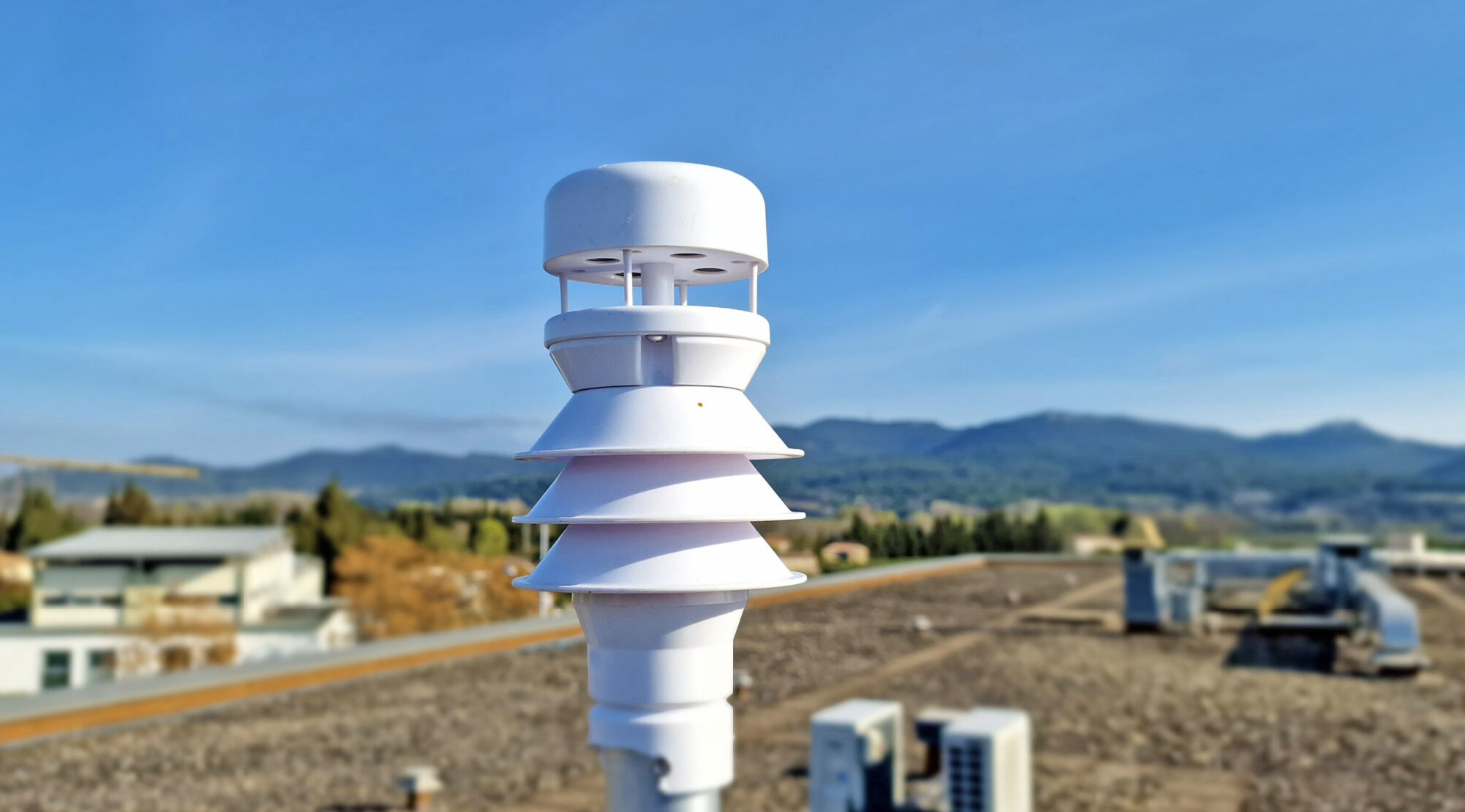
Austin's pollen landscape is dominated by mountain cedar (Ashe juniper), which produces such overwhelming concentrations that the Texas A&M Forest Service reports the immune system becomes completely overwhelmed. The 2024-2025 cedar season started earlier and stronger than usual due to above-average summer rainfall in 2024, which created healthier trees capable of producing more pollen. Austin uses advanced PollenSense technology that provides AI-powered pollen counts updated every minute, making it one of the most advanced monitoring systems in the country.
- Mountain Cedar (Ashe Juniper): Austin's most notorious allergen with approximately 12 trees per resident; peaks mid-January to early February with counts exceeding 10,000 grains per cubic meter
- Live Oak Pollen: Dominant spring allergen producing massive pollen loads from late March through early April
- Bermuda Grass: Primary grass allergen peaking May through June during the extended March to September grass season
- Ragweed: Grows taller than a person in Central Texas; peaks in September causing severe fall allergies from mid-August through early November
The convergence of Hill Country and prairie ecosystems creates diverse high-pollen flora, while Austin's rolling hills and deep valleys cause pollen to settle and linger in the air. Cold fronts, dry windy conditions, and rapid pressure changes trigger massive pollen releases from cedar cones, dispersing pollen over vast distances across Central Texas.
Seasonal Pollen Patterns in Austin
Austin experiences nearly continuous pollen exposure throughout the year with distinct seasonal patterns.
- Winter (December to February): Mountain cedar season dominates with peak levels mid-January to early February; elm and maple pollen begins in late winter
- Spring (March to May): Live oak peaks in late March to early April, followed by pecan in late April to early May; Bermuda grass season begins
- Summer (June to August): Bermuda grass continues peaking in early summer; mold spores elevate during humid periods; ragweed season begins in mid-August
- Fall (September to November): Ragweed and fall weeds peak in September; brief relief occurs mid-November to early December before cedar season returns
Access Real-Time Pollen Data in Austin
The Pollen Count & Alerts App provides minute-by-minute pollen monitoring for Austin residents, tracking tree, grass, weed, and mold spore levels specific to your location. With Austin's advanced PollenSense AI-powered monitoring system, you can access the most accurate and up-to-date pollen information available, allowing you to plan outdoor activities during low-pollen periods. Stay informed and take control of your allergy management with personalized alerts tailored to Austin's unique pollen challenges.
Effective Allergy Management Strategies for Austin
Managing allergies in Austin's challenging pollen environment requires proactive strategies and consistent monitoring.
- Use the Pollen Count & Alerts App: Monitor real-time pollen levels updated every minute and receive personalized alerts to plan outdoor activities during low-pollen times
- Improve Indoor Air Quality: Keep windows closed during high pollen days, especially on dry, windy mornings when cedar and oak pollen dispersal peaks
- Practice Personal Hygiene: Shower and wash hair before bed to remove pollen particles, change clothes after outdoor activities, and rinse nasal passages with saline solution
- Install HEPA Air Purifiers: Use high-efficiency filters in your home and car to remove pollen particles, mold spores, and other airborne allergens from indoor spaces
- Consult an Allergist: Seek professional evaluation for persistent symptoms like sinus infections, ear pressure, or severe cedar fever that interferes with daily activities
Enhance Your Allergy Management with App Features
The Pollen Count & Alerts App offers comprehensive tools designed specifically for managing allergies in high-pollen environments like Austin.
- Real-Time Pollen Counts: Access the latest AI-powered pollen data specific to Austin, updated every minute for mountain cedar, oak, ragweed, grass, and mold
- Customized Alerts: Receive personalized notifications when pollen levels spike for allergens that affect you most, including cedar fever triggers
- Accurate Forecasts: Plan your week with detailed pollen forecasts based on Austin's weather patterns, cold fronts, and seasonal trends
- Educational Content: Learn about cedar fever, identify symptoms, and discover management strategies specific to Central Texas allergens
- Intuitive Design: Navigate easily through pollen types, historical trends, and daily counts with a user-friendly interface designed for quick access


Explore More on Managing Seasonal Allergies
- Understanding Allergy Pollen Counts: Your Comprehensive Guide – Learn how to interpret pollen count data and develop effective strategies to minimize your exposure during high-pollen days.
- Why Are My Allergies So Bad Right Now? | Pollen Count & Alerts App Blog – Discover the environmental and biological factors that can cause your allergy symptoms to intensify unexpectedly.
- Do Allergies Get Worse as You Age? | Pollen Count & Alerts App Blog – Understand how your immune system evolves over time and why allergies can develop, disappear, or change in severity as you age.
Stay updated with the latest tips and insights by visiting the Alert Pollen Blog.
Pollen count in nearby cities
FAQ
When is pollen season in Austin, TX?
Pollen season in Austin is essentially year-round, with only a brief 2-4 week relief period from mid-November to early December. The most intense periods occur during Mountain Cedar season (December through February, peaking mid-January to early February), oak season (late March to early April), and ragweed season (mid-August through early November, peaking in September). Austin experiences peak allergy conditions in December, January, May, and September.
What are the most common allergens in Austin, TX?
Austin's primary allergen is Mountain Cedar (Ashe Juniper), which affects residents from December through February and is so prevalent there are approximately 12 trees per Austin resident. Other major allergens include Live Oak (peaking late March to early April), Elm, Ash, Pecan, Bermuda Grass (peaking May-June), and Ragweed (peaking in September). Mold spores also become elevated during humid periods and after rainfall throughout the year.
How can I track real-time pollen levels in Austin to plan my outdoor activities?
Austin features one of the most advanced pollen monitoring systems in the country, with AI-powered PollenSense technology providing minute-by-minute updates on airborne allergens. The Pollen Count & Alerts App delivers real-time pollen data specific to Austin, allowing you to check current conditions before heading outdoors and receive personalized alerts when your specific allergens reach high levels.
Final Thoughts
Living in Austin means facing some of the most challenging pollen conditions in the United States, particularly during the notorious Mountain Cedar season when airborne pollen can exceed 10,000 grains per cubic meter. However, with access to real-time monitoring technology and the right tools, you can take control of your allergy management. The Pollen Count & Alerts App empowers Austin residents to make informed decisions about outdoor activities and symptom prevention.
Download the Pollen Count & Alerts App today to receive minute-by-minute pollen updates specific to Austin and personalized alerts tailored to your allergen sensitivities.
Take Control of Your Allergies Today
The Pollen Count & Alerts App provides Austin residents with real-time pollen counts powered by advanced AI technology, personalized alerts for your specific allergens, and comprehensive forecasts to help you plan your days with confidence. Whether you're dealing with cedar fever in winter or ragweed in fall, our app keeps you informed and prepared. Download now and experience relief through better information.