Abilene, Texas sits at the ecological crossroads where the Western Cross Timbers meet the Rolling Plains, creating a unique pollen challenge for its 125,000 residents. The city's semi-arid climate, mild winters without killing frosts, and exceptional wind speeds averaging 12-14 mph contribute to year-round pollen exposure from both woodland and grassland ecosystems. Ranked #85 on the Asthma and Allergy Foundation of America's list of most challenging cities for allergy sufferers, Abilene experiences extended pollen seasons affecting residents nearly every month. This guide provides comprehensive information on pollen types, seasonal patterns, monitoring resources, and practical management strategies for Abilene's distinct allergy environment.
Understanding Pollen Count in Abilene
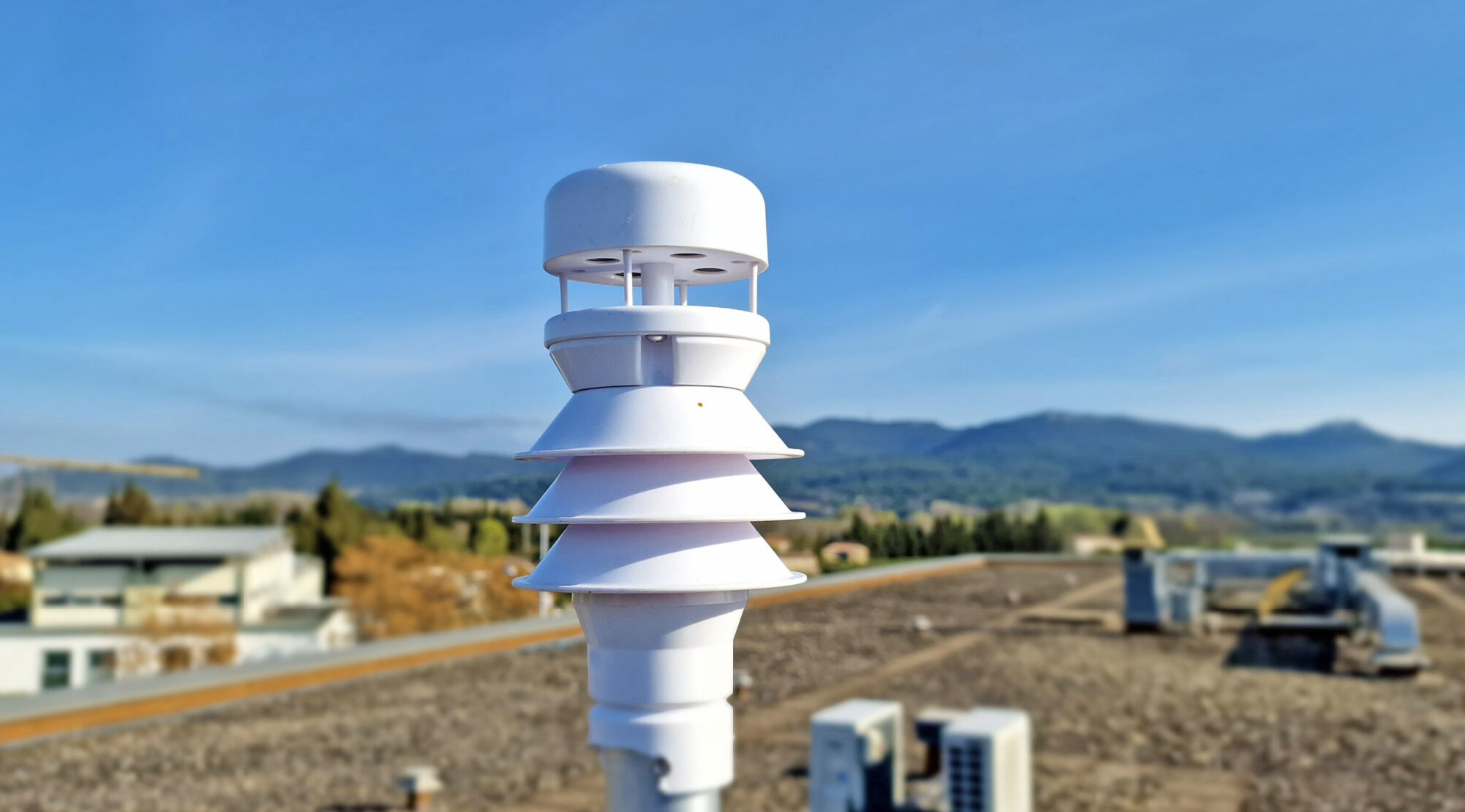
Pollen count measures the concentration of pollen grains per cubic meter of air over a 24-hour period, collected using volumetric air samplers with sticky surfaces. When pollen counts are high, allergy sufferers typically experience symptoms including sneezing, nasal congestion, itchy or watery eyes, respiratory distress, and asthma exacerbations. Abilene uses advanced Pollen Sense Automated Particulate Sensors with neural network algorithms to identify individual pollen species and provide accurate real-time data.
Key Pollen Types and Significant Allergen Trends in Abilene
Abilene's position at the boundary between two distinct ecosystems creates exposure to allergens from multiple plant communities. Automated monitoring data from Pollen Sense tracked monthly pollen concentrations from February 2022 to May 2023, revealing the dominant allergens affecting residents throughout the year. The city's unique geographic location means residents face tree pollen drifting from the east and dust, grass, and scrub allergens blowing from the western plains.
- Mesquite Pollen: Covers ranchland, vacant lots, and creek corridors throughout the area, producing pollen twice yearly in spring and fall with exceptionally high concentrations
- Oak Pollen: Multiple oak species including post oak from the Western Cross Timbers ecosystem peak in April-May, serving as a major spring allergen
- Bermuda Grass Pollen: Produces tons of pollen during summer months and commonly fragments under certain weather conditions into particles small enough to penetrate deep into lungs
- Ragweed Pollen: Dominates the fall season from September through November as the primary weed allergen with extremely high pollen production
Climate change is significantly impacting Abilene's pollen patterns, with warmer winters lengthening the overall allergy season and the lack of harsh killing frosts leading to pollen-heavy springs. Recent studies confirm that grass pollen fragmentation creates direct triggers for asthmatic attacks, making Bermuda grass particularly concerning for respiratory health. Rising temperatures may continue to increase overall pollen counts in future years.
Seasonal Pollen Patterns in Abilene
Abilene experiences distinct pollen seasons throughout the year with overlapping allergen exposure.
- Spring (March to May): Dominated by tree pollen from oak, mesquite, pecan, cedar, and elm species peaking in April-May with major allergen concentrations
- Summer (June to August): Grass pollen dominates with Bermuda grass and Timothy grass producing massive pollen quantities during warm months
- Fall (September to November): Weed pollen predominates with ragweed as the primary allergen, overlapping with mesquite's secondary fall bloom
- Winter (December to February): Mild winters without killing frosts allow pollen-producing plants to remain active, with elm pollen beginning in late February
Accessing Daily Pollen Data in Abilene
The Pollen Count & Alerts App provides real-time pollen monitoring specifically for Abilene, tracking tree, grass, weed, and mold spore levels throughout the day. With data from advanced automated particulate sensors using neural network algorithms, you receive accurate species-level information to plan your outdoor activities effectively. Daily forecasts and customized alerts help you stay informed about changing pollen conditions in your specific zip code.
Effective Allergy Management Strategies for Abilene Residents
Managing allergies in Abilene's challenging pollen environment requires proactive strategies and daily awareness.
- Use the Pollen Count & Alerts App: Monitor real-time pollen levels and receive alerts to plan outdoor activities during low-pollen times, especially avoiding early morning hours when pollen release peaks
- Improve Indoor Air Quality: Keep windows and doors closed during high pollen days, change HVAC filters regularly, and ensure your air conditioning system prevents pollen from entering your home
- Practice Personal Hygiene: Shower and wash hair before bed to remove pollen, change clothes after outdoor activities, and rinse nasal passages with saline solution
- Install HEPA Air Purifiers: Use high-efficiency particulate air filters in bedrooms and main living areas to capture airborne pollen particles, especially important during Abilene's windy conditions
- Consult an Allergist: Seek professional care from specialists at facilities like Allergy and Asthma Clinic of Abilene or Allergy Abilene for personalized treatment plans and immunotherapy options
App Features to Enhance Your Allergy Management in Abilene
The Pollen Count & Alerts App offers comprehensive tools designed specifically for managing allergies in high-pollen environments like Abilene.
- Real-Time Pollen Counts: Access the latest pollen data specific to your Abilene location with species-level identification of oak, mesquite, ragweed, and Bermuda grass
- Customized Alerts: Receive notifications when pollen levels spike for your specific allergens, helping you prepare before symptoms begin
- Accurate Forecasts: View detailed multi-day pollen predictions based on weather patterns, wind speeds, and seasonal trends unique to the Abilene area
- Educational Content: Learn about local allergens, peak seasons, and evidence-based strategies for managing symptoms in Abilene's challenging environment
- Intuitive Design: Navigate easily through pollen data, historical trends, and personalized recommendations with a user-friendly interface designed for daily use


Learn More About Managing Your Allergies
- Understanding Allergy Pollen Counts: Your Comprehensive Guide – Discover how to interpret pollen count data and develop personalized strategies to minimize your allergy symptoms throughout the year.
- Why Are My Allergies So Bad Right Now? | Pollen Count & Alerts App Blog – Understand the factors that can cause a sudden increase in allergy severity and how environmental changes affect your body's response to allergens.
- Do Allergies Get Worse as You Age? | Pollen Count & Alerts App Blog – Explore how your immune system and allergy sensitivities evolve over time and what you can do to adapt your management approach.
Stay informed with helpful tips and the latest allergy insights by visiting the Alert Pollen Blog.
Pollen count in nearby cities
FAQ
When is pollen season in Abilene, TX?
In Abilene, pollen season lasts nearly year-round due to the city's mild winters and semi-arid climate. Tree pollen peaks from March through May with oak, mesquite, and pecan being the main contributors, followed by grass pollen from June through August dominated by Bermuda grass, and weed pollen from September through November with ragweed as the primary allergen. Even in late winter, elm trees begin releasing pollen in February, making Abilene one of the most challenging cities for allergy sufferers.
What are the most common allergens in Abilene, TX?
The most common allergens in Abilene include oak, mesquite, and pecan trees during spring (April-May), Bermuda grass and timothy grass throughout the summer months (June-August), and ragweed during fall (September-November). Cedar or Ashe juniper pollen drifts into the area from the Texas Hill Country and remains active throughout spring, while mesquite produces pollen twice yearly with peaks in both spring and fall. Abilene's unique position at the boundary between the Western Cross Timbers woodland and the Rolling Plains grassland means residents face allergens from both ecosystems simultaneously.
How can I protect myself from Abilene's high pollen counts?
Download the Pollen Count & Alerts App to receive real-time pollen updates and personalized alerts specific to Abilene's conditions. Plan outdoor activities during late afternoon or after rain when pollen counts are lower, keep windows closed during peak pollen hours (early morning), and use HVAC filters to reduce indoor pollen infiltration. Given Abilene's exceptionally windy conditions that carry pollen across miles of open landscape, monitoring daily forecasts is essential for managing your exposure effectively.
Final Thoughts
Living in Abilene means facing pollen challenges nearly year-round, from spring tree pollen and summer grasses to fall ragweed, all amplified by the city's exceptional wind speeds and unique ecological position. However, with accurate information and the right tools like the Pollen Count & Alerts App, you can take control of your allergy management and reduce your exposure to triggers. Understanding your local pollen patterns empowers you to plan your days more effectively and protect your health.
Download the Pollen Count & Alerts App today to receive personalized pollen forecasts and real-time alerts tailored to Abilene's unique allergy environment. Take the first step toward breathing easier and enjoying more symptom-free days.
Take Control of Your Allergies Today
The Pollen Count & Alerts App provides real-time pollen counts, personalized alerts based on your specific sensitivities, and comprehensive forecasts to help you plan ahead. With accurate data from automated monitoring systems and species-level identification, you'll know exactly when to take precautions and when it's safe to enjoy the outdoors. Download the app now and start managing your allergies with confidence.